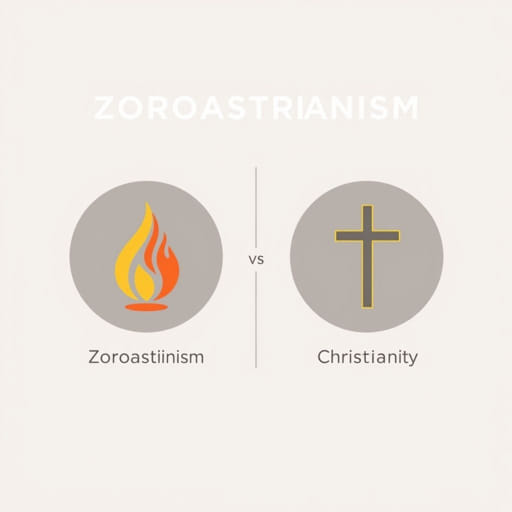
Zoroastrianism and Christianity are two of the world’s most historically significant religions, each offering distinct theological frameworks, spiritual practices, and moral teachings. While Christianity is one of the largest religions globally, Zoroastrianism is much older and less widespread today. Understanding the differences and similarities between Zoroastrianism and Christianity allows for a deeper appreciation of how religions evolve and how their core principles affect human values, society, and culture. This comparison chart offers a structured overview of key beliefs and elements to help explore both faiths clearly and accessibly.
Foundational Origins
Timeline and Historical Context
- Zoroastrianism: Originated in ancient Persia, around 1500-1200 BCE, founded by the prophet Zoroaster (Zarathustra).
- Christianity: Emerged in the 1st century CE in Roman-occupied Judea, based on the teachings of Jesus Christ.
Geographic Origins
- Zoroastrianism: Ancient Iran (Persia)
- Christianity: Israel/Palestine (specifically Bethlehem and Jerusalem)
Core Beliefs
Concept of God
- Zoroastrianism: Monotheistic, worships Ahura Mazda, the Wise Lord, source of all that is good.
- Christianity: Monotheistic, believes in one God in three persons: the Father, the Son (Jesus Christ), and the Holy Spirit.
Good vs Evil
- Zoroastrianism: Dualistic struggle between Ahura Mazda (good) and Angra Mainyu (evil).
- Christianity: Moral struggle between God and Satan; evil is a rebellion against God’s will, not an equal force.
Human Nature and Free Will
- Zoroastrianism: Humans are born pure but must choose between good and evil throughout life.
- Christianity: Humans are born with original sin (in most denominations) and are in need of redemption through Jesus Christ.
Scriptures and Religious Texts
- Zoroastrianism: The Avesta, which includes the Gathas (hymns attributed to Zoroaster), Yasna, and other liturgical texts.
- Christianity: The Bible, consisting of the Old Testament (shared with Judaism) and the New Testament (life and teachings of Jesus and his apostles).
Afterlife and Salvation
Beliefs About the Afterlife
- Zoroastrianism: Belief in heaven (best existence) and hell (worst existence). A final judgment follows the resurrection of the dead.
- Christianity: Belief in heaven and hell. After death, souls are judged and sent to eternal destinations based on faith and deeds.
Concept of Salvation
- Zoroastrianism: Salvation is achieved through good thoughts, good words, and good deeds.
- Christianity: Salvation comes through faith in Jesus Christ, repentance, and God’s grace (in most denominations).
Religious Practices
Worship and Rituals
- Zoroastrianism: Fire temples are used for worship. Ritual purity, prayers, and fire ceremonies are central.
- Christianity: Churches are places of worship. Practices include prayer, baptism, communion, confession, and liturgy.
Religious Symbols
- Zoroastrianism: Fire and the Faravahar symbol representing the human soul’s connection to the divine.
- Christianity: The cross, symbolizing Jesus’ crucifixion and resurrection.
Clergy and Leadership
- Zoroastrianism: Priests (Mobeds) lead rituals and maintain temples.
- Christianity: Varies by denomination includes priests, pastors, bishops, and popes in hierarchical churches.
Ethical and Moral Teachings
Core Moral Guidelines
- Zoroastrianism: Emphasis on truth, order, purity, and service to others. Life’s motto: Good thoughts, good words, good deeds.
- Christianity: Emphasis on love, forgiveness, humility, and service. The Ten Commandments and teachings of Jesus are central.
Role of Sin
- Zoroastrianism: Sin is seen as choosing evil over good, disrupts cosmic order (Asha).
- Christianity: Sin separates humans from God; Jesus’ sacrifice redeems believers.
Chart Comparison of Zoroastrianism and Christianity
| Aspect | Zoroastrianism | Christianity |
|---|---|---|
| Founded | 1500-1200 BCE by Zoroaster | 1st Century CE by Jesus Christ |
| Location of Origin | Persia (Iran) | Judea (Israel/Palestine) |
| Deity | Ahura Mazda | God (Trinity: Father, Son, Holy Spirit) |
| Scripture | Avesta | Bible |
| Afterlife | Heaven, hell, resurrection, final judgment | Heaven, hell, resurrection, final judgment |
| Path to Salvation | Good thoughts, good words, good deeds | Faith in Christ, grace, repentance |
| Worship Location | Fire Temple | Church |
| Main Ethical Focus | Truth, purity, order | Love, forgiveness, grace |
| View on Evil | Angra Mainyu as a cosmic evil being | Satan as adversary of God |
Modern-Day Followers and Influence
Current Global Presence
- Zoroastrianism: Approximately 100,000-150,000 adherents worldwide, mainly in Iran and India (Parsis).
- Christianity: Over 2.3 billion adherents worldwide, present in every continent.
Impact on Culture and Philosophy
- Zoroastrianism: Influenced concepts in Judaism, Christianity, and Islam, particularly regarding angels, the devil, and final judgment.
- Christianity: Profound influence on Western philosophy, art, law, politics, and education.
While Zoroastrianism and Christianity differ in origin, theology, and rituals, they share surprising thematic elements, such as moral dualism, the hope for salvation, and the role of human responsibility in the cosmic battle between good and evil. Their teachings offer insights into human values and ethics, reminding us how spiritual traditions have shaped and continue to influence the world. This charted comparison between Zoroastrianism and Christianity serves not only as an educational resource but also as a means to appreciate religious diversity and philosophical depth.