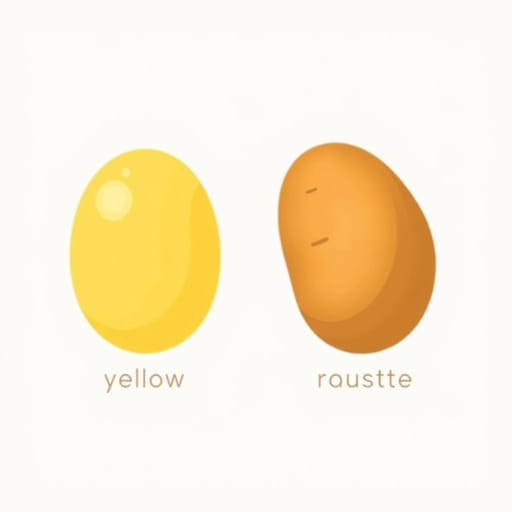
When choosing the right potato for your meal, the decision often comes down to yellow potatoes vs russet potatoes. These two popular varieties have distinct textures, flavors, and ideal uses in the kitchen. Whether you’re preparing mashed potatoes, fries, baked dishes, or roasted vegetables, knowing the differences between yellow and russet potatoes helps you pick the perfect one for your cooking style. While they might look similar from a distance, their performance in recipes can be quite different. Understanding their characteristics ensures that your dish turns out just right, with the perfect balance of flavor and texture.
Appearance and Texture
Skin and Flesh
Yellow potatoes, also known as Yukon Gold or simply gold potatoes, have thin, smooth skin with a golden-yellow tint. Their flesh is also yellow and slightly waxy. On the other hand, russet potatoes have thick, rough, and brown-colored skin. Inside, they contain white, dry, and fluffy flesh that breaks apart easily when cooked.
Texture After Cooking
The texture of these potatoes varies greatly when cooked:
- Yellow potatoes: Creamy and moist when cooked. They hold their shape well and have a rich, buttery texture without needing extra fat or cream.
- Russet potatoes: Light, airy, and dry when cooked. They break down easily, which makes them ideal for fluffy mashed potatoes and crispy fries.
Flavor Profile
Yellow potatoes have a naturally buttery and slightly sweet flavor. This makes them a favorite for recipes where minimal seasoning is used. Their taste pairs well with herbs, garlic, and olive oil. Russet potatoes, on the other hand, have a more neutral and mild flavor. They absorb the flavors of whatever they are cooked with, making them perfect for heavily seasoned or saucy dishes.
Culinary Uses
Best Uses for Yellow Potatoes
Yellow potatoes are incredibly versatile and can be used in a wide range of dishes that require a tender yet firm potato. Their creamy texture makes them ideal for:
- Roasting with herbs and spices
- Grilled potato salads
- Pan-fried or sautéed potatoes
- Scalloped potatoes or gratins
- Soups and stews, where they retain their shape
Best Uses for Russet Potatoes
Russet potatoes excel in recipes that benefit from their dry, fluffy interior. They are often chosen for dishes that require a soft, broken-down texture. Ideal uses include:
- Mashed potatoes (especially fluffy or whipped versions)
- Baked potatoes with crispy skin
- French fries and hash browns
- Potato pancakes or gnocchi
- Potato skins and twice-baked potatoes
Nutrition Comparison
Both yellow and russet potatoes offer nutritional benefits, but they have slightly different profiles due to their composition and moisture content.
Calories and Carbohydrates
- Russet potatoes: Generally higher in calories and carbohydrates per serving because they are starchier and drier.
- Yellow potatoes: Slightly lower in calories and have a bit less carbohydrate, thanks to their higher moisture content.
Vitamins and Minerals
Both types are good sources of:
- Vitamin C
- Vitamin B6
- Potassium
- Iron
However, yellow potatoes may contain more antioxidants like carotenoids due to their yellow color, offering a slight edge in terms of micronutrient diversity.
Cooking Tips for Each Type
Tips for Cooking Yellow Potatoes
- Don’t overcook – they hold their shape but can get mushy with too much boiling.
- Leave the skin on for added texture and nutrients, especially in roasted dishes.
- Pair with strong herbs like rosemary, thyme, or oregano for added flavor.
Tips for Cooking Russet Potatoes
- Always peel for creamy mashed potatoes or frying.
- Rinse after cutting to remove excess starch before frying or baking.
- Bake at high temperatures for crispy exteriors and fluffy interiors.
Storage and Shelf Life
Potatoes should always be stored in a cool, dark, and dry place. However, the storage behavior can vary slightly between these two types.
- Russet potatoes: Longer shelf life due to their thick skin, which helps prevent moisture loss.
- Yellow potatoes: Shorter shelf life because of their thinner skin and higher moisture content. They may sprout or spoil more quickly if not stored properly.
Avoid refrigerating potatoes, as this can alter their flavor and cause sugar levels to rise, which may result in undesirable browning when cooked.
Cost and Availability
In most grocery stores, both yellow and russet potatoes are widely available. However, their prices may vary depending on region and season.
- Russet potatoes: Generally more affordable and sold in bulk. They are considered a basic staple and are commonly used in restaurants and fast food.
- Yellow potatoes: Often slightly more expensive, considered premium or specialty potatoes due to their creamier texture and unique flavor.
In terms of availability, russets are more likely to be found in larger bags, while yellow potatoes may be sold in smaller quantities or pre-packaged for specific uses like salads or roasting.
Environmental and Agricultural Considerations
Both types are grown extensively in North America and other regions, but they have different growing needs:
- Russet potatoes: Typically grown in drier climates and harvested later in the season. Their thick skins help them withstand mechanical harvesting and transport.
- Yellow potatoes: Often require slightly more moisture and careful handling due to their delicate skins. Harvested earlier in some regions.
Both contribute significantly to the agricultural economy, but russets dominate the commercial market due to their widespread use in processed foods like fries and chips.
Choosing between yellow potatoes vs russet depends largely on the dish you’re making and the texture or flavor you want to achieve. Yellow potatoes bring a rich, buttery taste and creamy texture, making them perfect for roasting, boiling, and casseroles. Russet potatoes offer a fluffy, dry interior that shines in mashed dishes, fries, and baked preparations. From a nutritional and practical standpoint, both have their place in a well-stocked kitchen. By understanding their differences, you can select the ideal potato for every meal, maximizing taste, texture, and overall satisfaction with every bite.