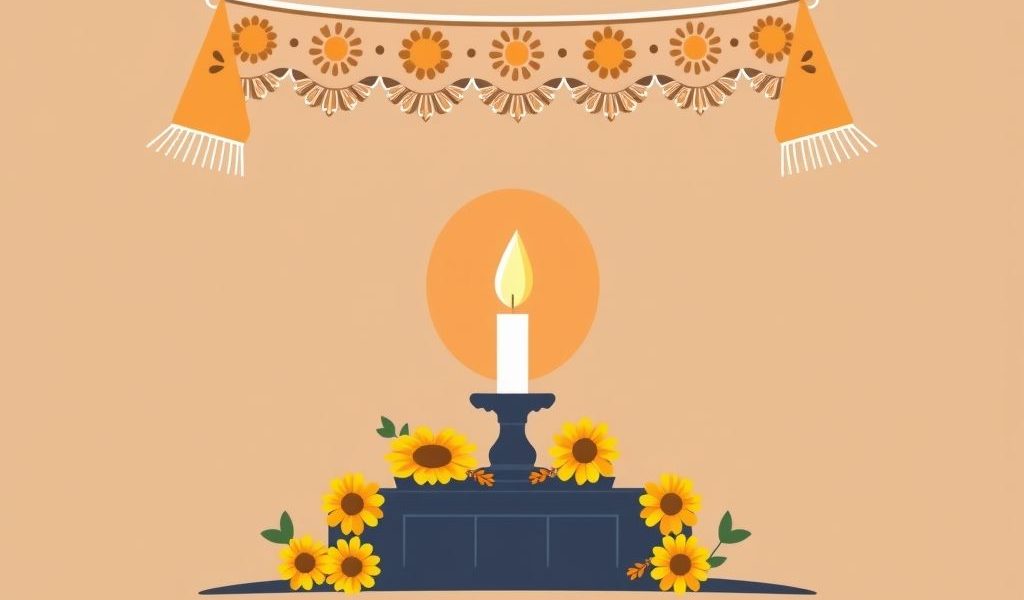
Every year, during DÃa de los Muertos or Day of the Dead, families across Mexico and other Latin American cultures create vibrant altars known as ofrendas. These sacred displays are not only visually stunning but also deeply meaningful, representing a heartfelt invitation for deceased loved ones to return and be remembered. Understanding what is placed on an ofrenda helps us appreciate the cultural depth of this tradition, which combines indigenous spirituality with Catholic influences and family heritage. Each element found on the ofrenda carries a specific symbolic purpose, making it much more than a decorative arrangement it is a spiritual bridge between the living and the dead.
The Significance of the Ofrenda
A Welcoming Space for Spirits
An ofrenda, meaning offering in Spanish, serves as a ceremonial altar to honor the dead. It is a centerpiece of the Day of the Dead celebrations, typically constructed in homes, cemeteries, or public spaces. The ofrenda is designed with layers or levels, often three or seven, representing different realms or stages of life, death, and the afterlife. Each level is carefully arranged with items that are believed to help guide and welcome the souls of the departed back to the world of the living.
The ofrenda is deeply personal. While certain items are common across all altars, many elements reflect the individual tastes, habits, and identity of the deceased. This blend of universal symbols and personal memories creates a powerful emotional and spiritual experience for those who build and visit the altar.
Essential Items Placed on an Ofrenda
Photographs and Personal Belongings
At the heart of every ofrenda are photographs of the deceased. These pictures are typically placed on the top level, serving as a focal point for the entire altar. They make the connection to specific individuals explicit and invite their spirits to return during the celebration. In addition to photos, families often include personal belongings of the deceased items that once held meaning in their daily lives, such as a favorite book, a hat, a toy, or a cherished object.
Food and Beverages
One of the most recognizable aspects of an ofrenda is the inclusion of food. It is believed that the souls of the dead are nourished by the essence of the food left for them. Therefore, families place dishes that the deceased once enjoyed.
- Pan de muerto: A traditional sweet bread made especially for Day of the Dead, often topped with sugar and shaped to resemble bones.
- Tamales: A staple in Mexican cuisine, tamales are frequently found on the altar.
- Fruits: Fresh fruits like oranges, bananas, or guavas add color and represent abundance.
- Favorite foods: Specific meals or snacks once loved by the deceased are included to show remembrance and care.
- Beverages: Drinks like coffee, water, soda, or even tequila or mezcal are offered based on what the loved one preferred in life.
Marigolds and Floral Arrangements
Marigolds, or cempasúchil, are known as the flower of the dead and are one of the most iconic elements of the ofrenda. These bright orange and yellow flowers are believed to attract souls to the altar with their vibrant color and strong scent. Petals are often scattered in a trail leading to the ofrenda, guiding spirits to their destination.
Candles and Light
Candles symbolize hope, faith, and the light that guides spirits home. The number and arrangement of candles may vary, but each one represents a soul. A candle is often lit for every person being remembered. White candles are most common, but some people use colored candles to signify different family members or to align with cultural meanings.
Incense and Fragrance
Copal, a type of incense traditionally used by Mesoamerican cultures, is burned on the altar to cleanse the space and elevate prayers. Its smoky scent is thought to communicate directly with the spirit world and create a sacred atmosphere for the returning souls. Other fragrant items like herbs or scented oils may also be included.
Salt and Water
Water is a vital element of the ofrenda, meant to quench the thirst of the weary spirits after their long journey. A glass or pitcher of water is always placed on the altar. Salt, on the other hand, serves as a purifier and protector, believed to keep negative energies away and preserve the spirit during its visit.
Religious Symbols
Depending on the family’s faith, religious icons such as crucifixes, rosaries, statues of saints, or images of the Virgin Mary may be added to the ofrenda. These elements reflect the syncretism between pre-Hispanic traditions and Catholic beliefs, which form the spiritual foundation of DÃa de los Muertos.
Additional Symbolic Elements
Papel Picado
Papel picado, or cut paper, is a colorful decorative item made from thin sheets of tissue paper with intricate patterns cut into them. These are hung above or around the ofrenda to represent the fragility of life and the presence of wind one of the four elements often symbolized in the altar (along with water, fire, and earth).
Skulls and Skeletons
Skulls (calaveras) and skeleton figurines (calacas) made of sugar, clay, or paper-mâché are playful reminders of mortality. Far from being macabre, they are joyful representations of life after death, reflecting the belief that death is not the end but a continuation of the spiritual journey. Sugar skulls are often decorated with colorful icing and labeled with the names of deceased loved ones.
Toys and Games for Children
When honoring the souls of children, known as angelitos, the ofrenda may include toys, candies, and sweets. These offerings acknowledge the innocence and joy of childhood and invite young spirits to come play and feel remembered.
Earthly Elements
In addition to food and flowers, other representations of the earth element may include seeds, soil, and corn. These symbolize the cycle of life, death, and rebirth, aligning the ofrenda with nature’s rhythms and the spiritual importance of agriculture in indigenous cultures.
Personal Touches and Family Traditions
One of the most beautiful aspects of the ofrenda is its personalization. While many items are traditional, families are encouraged to include anything that reflects the character and spirit of their departed loved ones. Some might place a handwritten letter, a musical instrument, or a poem. Others might add a small mirror so the spirits can see themselves or a trail of flower petals to help them find their way.
Every ofrenda is different, reflecting a unique combination of love, memory, and tradition. It is a deeply emotional process that allows families to reconnect with those they have lost and teach younger generations about their roots.
Knowing what is placed on an ofrenda reveals much about the values and beliefs behind DÃa de los Muertos. Far more than just a collection of symbolic objects, an ofrenda is a powerful, living expression of remembrance and devotion. From marigolds to photographs, from food to candles, each item serves a sacred role in honoring the dead and keeping their memory alive. It is a space of reflection, love, and spiritual reunion a bridge between the worlds that is built with care, culture, and heart.