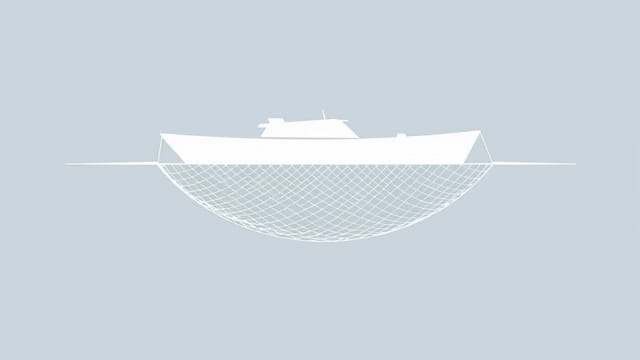
Bottom trawling is one of the most widely used methods in commercial fishing, particularly for harvesting species that live near or on the seafloor. This technique involves dragging a large, cone-shaped net along the seabed to catch fish and other marine life. It is known for its high efficiency in capturing groundfish and benthic species like cod, haddock, flounder, shrimp, and other bottom dwellers. While it plays a significant role in the seafood industry, bottom trawling has also raised concerns about its environmental impact, making it a widely debated topic in fisheries management and marine conservation.
How Bottom Trawling Works
Bottom trawling involves the use of specialized fishing gear designed to sweep across the ocean floor and collect target species. The gear is deployed from large fishing vessels and dragged behind them over the seafloor for a specific period of time.
Components of a Bottom Trawl
- Trawl doors: Large metal or wooden panels that keep the net open horizontally as it is dragged.
- Net body: A large, funnel-shaped mesh net that tapers down to a codend (the bag-like section that holds the catch).
- Footrope: The lower edge of the net, which drags directly across the bottom and often has rollers or chains to help it glide over the seafloor.
- Headrope: The top line of the net, often fitted with floats to keep the upper part of the net elevated.
The bottom trawl is towed at various speeds depending on the target species and sea conditions. The fish are herded into the net by the disturbance created by the gear and then collected in the codend.
Types of Bottom Trawling
There are several variations of bottom trawling, each suited to specific environments and target species.
Otter Trawling
This is the most common form of bottom trawling. Otter boards are used to spread the net wide, allowing it to cover more area. It’s typically used for catching fish like hake, sole, and monkfish.
Beam Trawling
This method uses a rigid beam to keep the mouth of the net open. Beam trawls are commonly used in European waters for catching flatfish and shrimp. They are effective but heavy and can cause more direct impact to the seafloor.
Pair Trawling
In this technique, two vessels tow a single net between them. It is used for targeting species that are difficult to catch with single-vessel trawling. This method requires coordination between vessels but can improve efficiency and catch rates.
Species Targeted by Bottom Trawls
Bottom trawls are used to catch a wide range of species that inhabit the seabed or the lower parts of the water column. These include:
- Groundfish: Such as cod, haddock, halibut, and pollock
- Flatfish: Including flounder, sole, and turbot
- Crustaceans: Like shrimp, prawns, and some species of crab
- Other bottom dwellers: Such as skates, rays, and monkfish
The versatility of bottom trawling makes it attractive to commercial fisheries across the globe, from the North Atlantic to the Pacific and Indian Oceans.
Advantages of Bottom Trawling
Despite its criticisms, bottom trawling remains popular due to its practical and economic benefits for commercial fishers.
- High catch efficiency: Can cover large areas quickly and harvest substantial amounts of fish.
- Target-specific gear adjustments: Nets can be modified to focus on particular species or sizes, reducing unwanted bycatch in some operations.
- Operational flexibility: Can be used in many depths and seafloor types with proper equipment adaptations.
Environmental Concerns of Bottom Trawling
Bottom trawling has been a subject of intense scrutiny due to its potential to cause significant environmental damage, particularly in sensitive marine ecosystems.
Seafloor Disturbance
Dragging heavy gear over the seabed can destroy benthic habitats, such as coral reefs, sponge gardens, and seagrass beds. These habitats are essential for marine biodiversity and fish recruitment.
Bycatch Issues
Non-target species, including juvenile fish, marine mammals, turtles, and other creatures, can be accidentally caught in bottom trawls. While bycatch reduction devices have been developed, the problem persists in many regions.
Carbon Release
Recent studies have indicated that bottom trawling may stir up carbon stored in seabed sediments, potentially releasing it into the water column and impacting ocean chemistry and carbon cycles.
Efforts to Mitigate Impact
Several strategies are being implemented globally to reduce the environmental footprint of bottom trawling while maintaining fishery productivity.
Gear Modifications
Innovations such as raised footropes, sorting grids, and selective mesh sizes help reduce contact with the bottom and allow non-target species to escape.
Marine Protected Areas (MPAs)
Designated zones prohibit bottom trawling in vulnerable or ecologically important regions. These areas allow habitats to recover and species to repopulate naturally.
Temporal and Spatial Closures
Fisheries managers can limit bottom trawling during spawning seasons or in overfished regions to allow ecosystems to rebound.
Improved Monitoring and Enforcement
Satellite tracking, onboard observers, and electronic monitoring systems are increasingly being used to ensure compliance with fishing regulations and improve transparency.
Bottom Trawling vs. Other Fishing Methods
Understanding how bottom trawling compares with other fishing techniques can help clarify its role in the broader fishing industry.
Compared to Midwater Trawling
While bottom trawling targets species on or near the seafloor, midwater trawling (pelagic trawling) targets fish in the open water column. Midwater trawling is generally considered to have a lower environmental impact but targets different species like mackerel or herring.
Compared to Longlining
Longlining involves setting out a line with baited hooks over long distances. It is more selective than bottom trawling but slower and less efficient for certain target species.
Compared to Pots and Traps
Pots and traps are passive methods used for crustaceans and some bottom species. They have lower bycatch rates and minimal habitat damage but are less productive in large-scale commercial operations.
Global Regulations and Governance
Many coastal nations and international bodies have implemented regulations to manage bottom trawling sustainably. These efforts include:
- Setting total allowable catches (TACs) based on scientific stock assessments
- Requiring fishing licenses and reporting of catch data
- Banning trawling in certain depths or protected areas
- Encouraging sustainable certification and traceability programs
Regional Fisheries Management Organizations (RFMOs) also play a key role in coordinating trawling practices across shared waters and high seas areas.
Bottom trawling is a powerful and efficient fishing method that supports many commercial fisheries around the world. While it has undeniable economic benefits, its environmental impacts have led to growing calls for reform and innovation. Striking a balance between harvesting seafood and protecting marine ecosystems is an ongoing challenge. With advancements in gear technology, better regulatory frameworks, and increased awareness among consumers and industry stakeholders, it is possible to make bottom trawling more sustainable. Responsible use of this method combined with science-based management can ensure that both fish stocks and ocean habitats are preserved for future generations.