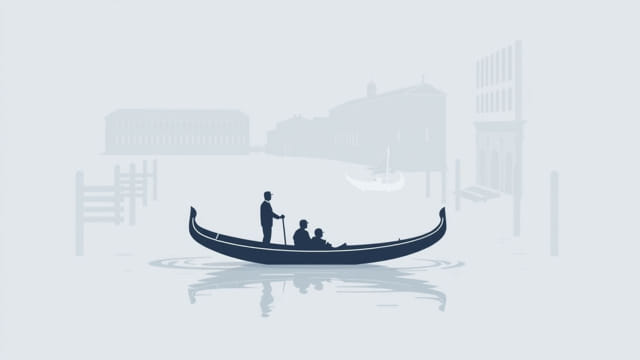
Venice, a city unlike any other, offers a daily commute that blends history, romance, and practicality. The Grand Canal, known as the main street of Venice, serves as a primary transportation route, threading through the heart of the city in a graceful S-shape. Whether you are a local going to work, a student heading to class, or a visitor exploring this floating marvel, commuting along the Grand Canal is a unique experience. Lined with historic palaces, bustling piers, and iconic bridges, this waterway represents the beating heart of Venetian life.
Understanding the Grand Canal’s Importance
The Lifeline of Venice
The Grand Canal stretches for approximately 3.8 kilometers and is the largest and most important canal in Venice. It is about 30 to 70 meters wide, allowing space for various watercraft, from passenger boats to delivery vessels. Most daily commuting in Venice, whether for business or leisure, happens right here. The absence of cars in the city makes the canal not just a scenic attraction but also a vital necessity for urban mobility.
Connecting Venice’s Districts
The canal connects important neighborhoods (sestieri) such as San Marco, Cannaregio, Santa Croce, and Dorsoduro. It winds past notable landmarks including the Rialto Bridge, the Ca’ d’Oro, and Santa Maria della Salute, making the commute not only functional but visually enchanting. Regular stops along the canal ensure residents and tourists can reach schools, shops, workplaces, and attractions without ever stepping into a car.
Main Modes of Water Transportation
Vaporetto: Venice’s Water Bus
The vaporetto is the most commonly used form of public transport in Venice. Operated by ACTV, it provides an affordable and reliable way to navigate the Grand Canal and beyond. Vaporettos run frequently, especially on Route 1 and Route 2, which are the most popular for Grand Canal commuters.
- Route 1: Stops at every station along the Grand Canal, ideal for leisurely travel
- Route 2: A faster route with fewer stops, suited for commuters in a hurry
Traghetto: A Short Ride Across the Canal
Traghettos are large gondola-like boats that ferry passengers across the Grand Canal at several strategic points. They are perfect for those who need to cross from one side to another without walking all the way to the nearest bridge. Unlike the romantic gondola rides, traghettos are more practical and inexpensive, popular among locals.
Private Water Taxis
Water taxis offer a faster, more luxurious commuting experience. Although more expensive, they are often used by business travelers, groups, or those with a tight schedule. They can be hired on-demand and provide direct routes to hotels, airports, and private docks.
Gondolas for Leisure, Not Commute
Gondolas are symbolic of Venice, but they are not typically used for commuting. Their slow speed and high cost make them ideal for scenic tours rather than daily transport. However, their presence adds charm and contributes to the canal’s vibrant activity.
How Locals Navigate the Canal
Daily Routines on the Water
Many Venetians use the vaporetto to get to work, attend university, or visit the market. Commuting on the Grand Canal is as routine for them as riding a subway is for residents of other cities. Students often board in the early morning, while office workers crowd the docks during rush hours. Locals have learned to move with efficiency despite the boat schedules and occasional delays caused by water traffic.
Buying a Commuter Pass
ACTV offers various ticketing options, including time-based passes for frequent travelers. Local residents often purchase monthly or annual passes, which offer unlimited rides on public transport, including the Grand Canal vaporettos. These passes are cost-effective and allow seamless movement around the city’s waterways.
Commuting Tips for Visitors
Understanding Vaporetto Etiquette
Tourists using the vaporetto for the first time should follow basic etiquette to avoid inconveniencing daily commuters. Stand aside for passengers getting on or off, avoid blocking entrances, and keep backpacks and luggage out of the aisles. During peak hours, boats can be crowded, so it’s best to travel earlier or later in the day.
Using ACTV Tickets
Visitors can purchase single-ride tickets, day passes, or multi-day tourist cards. Tickets must be validated at the dock before boarding. Many commuters use the MyACTV app for digital tickets and schedule updates, which helps avoid long lines at ticket counters.
Scenic Highlights During the Commute
A Visual Journey Through History
Commuting on the Grand Canal is unlike any other. Passengers are treated to views of historic buildings such as:
- Palazzo Grassi: A classic 18th-century palace
- Rialto Bridge: The most famous bridge in Venice
- Ca’ Rezzonico: A museum showcasing Venetian Baroque art
- Santa Maria della Salute: A striking domed basilica near the canal’s mouth
Each building reflects a chapter of Venice’s rich heritage, making even the most ordinary commute feel extraordinary.
Sunrise and Sunset Views
For those who travel early or return in the evening, the golden light reflecting off the water creates breathtaking views. The city’s beauty is at its peak during sunrise and sunset, when the palazzos glow and the canal glistens. Many residents and photographers time their commutes to catch these moments.
Challenges of Commuting on the Grand Canal
Weather and Seasonal Variations
Heavy rain, fog, or high tides (acqua alta) can disrupt vaporetto schedules and cause delays. While the city is well-equipped to handle such situations, commuters should always check the forecast and be prepared for occasional detours or longer wait times during winter months.
Overcrowding and Peak Hours
As Venice remains a top tourist destination, public transport can become crowded, especially in the summer. Early morning and late afternoon are the busiest times. Locals often adjust their routines to avoid the rush or use alternative routes when possible.
Environmental Efforts and Sustainability
Eco-Friendly Transportation
Venice has been working to improve the sustainability of its water-based transport system. New electric and hybrid boats are being introduced to reduce pollution and noise. The city is committed to preserving its delicate ecosystem, and waterborne commuting plays a major role in achieving these goals.
Future Innovations
Plans are in place to upgrade the vaporetto fleet and improve docking infrastructure. There is also growing investment in smart ticketing systems and real-time tracking tools to make commuting even more efficient for residents and visitors alike.
Commuting along the Venice Grand Canal is an integral part of daily life in this extraordinary city. Far more than just a scenic waterway, the canal serves as a critical transportation artery that keeps Venice connected. From the dependable vaporetto to the convenient traghetto, water transport defines the city’s rhythm. Whether you are watching the sun rise over Santa Maria della Salute or gliding past historic palaces on your way to work, commuting on the Grand Canal is a daily experience rich in beauty, history, and culture.