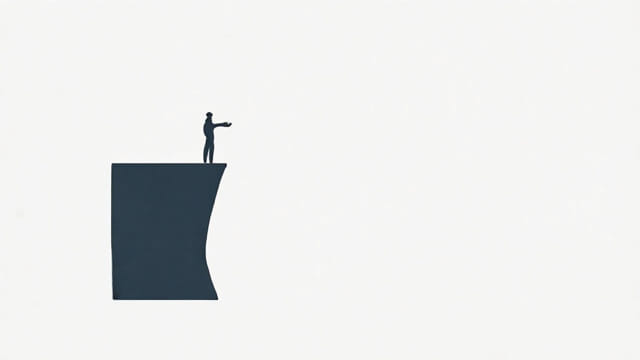
When a story ends suddenly with a high level of tension and no clear resolution, you might hear someone say, ‘It ended on a cliffhanger.’ This expression has become a popular part of everyday language, especially in discussions about television shows, movies, books, and even real-life situations where the outcome is unknown. But what exactly does ‘on a cliffhanger’ mean, and where did it come from? Understanding its meaning, usage, and impact can help enhance both your vocabulary and your storytelling skills.
Definition of ‘On a Cliffhanger’
The phrase ‘on a cliffhanger’ refers to a dramatic or suspenseful moment that leaves the audience in a state of uncertainty, typically at the end of a story or a chapter. It literally means that the story stops while the character or situation is still hanging in the balance often metaphorically hanging from a cliff, not knowing what will happen next.
Common Usage in Media
Cliffhangers are especially common in serialized storytelling, such as:
- Television dramas and series
- Web series episodes
- Chapter-based novels
- Movie sequels
- Comics and graphic novels
Writers use cliffhangers to build suspense and keep the audience eagerly waiting for the next installment. The unresolved tension forces viewers or readers to return, seeking closure or answers.
Origins and Historical Background
The term ‘cliffhanger’ is believed to have originated from 19th-century serialized fiction. One of the earliest known uses came from Thomas Hardy’s novel A Pair of Blue Eyes, published in 1873, where a character is literally left hanging off a cliff. Since then, the expression evolved into a figurative device used in various media forms.
Development in Modern Entertainment
With the rise of television and streaming platforms, the use of cliffhangers exploded. Series creators often end a season with a cliffhanger to ensure that audiences return for the next season. This has made the phrase ‘on a cliffhanger’ a part of pop culture vocabulary.
Examples of ‘On a Cliffhanger’
To fully understand the meaning of on a cliffhanger, here are a few examples:
- TV Series: The last episode of a season ends with the main character in danger, and viewers won’t know what happens until the next season begins.
- Books: A mystery novel concludes a chapter with the detective about to discover the culprit, urging the reader to keep going.
- Real Life: Someone shares part of an exciting personal story, pauses just before the most crucial detail, and says, I’ll tell you later.
All these situations illustrate the use of ‘on a cliffhanger’ to describe moments filled with suspense and unresolved action.
Why Writers Use Cliffhangers
Storytellers across genres use cliffhangers for specific reasons:
- To Increase Tension: Cliffhangers heighten emotional engagement by creating anticipation.
- To Keep Readers Watching or Reading: Unresolved endings compel the audience to continue following the story.
- To Introduce Plot Twists: They are effective at introducing surprises that challenge expectations.
This storytelling technique is not limited to fiction. In journalism or podcasts, episodes may end with next time, we’ll reveal to maintain interest over time.
Synonyms and Related Expressions
Although ‘on a cliffhanger’ is the most popular term, there are several synonyms and expressions that convey similar ideas:
- Left hanging Feeling uncertain because no resolution has been given.
- Suspenseful ending A conclusion that builds tension without solving the problem.
- Unfinished business A situation left unresolved.
- Edge-of-your-seat moment A thrilling, intense part of a story.
These expressions help describe moments that mirror the experience of being ‘on a cliffhanger’ without using the exact phrase.
Emotional Impact on the Audience
Cliffhangers can provoke a range of emotions, such as excitement, frustration, curiosity, and impatience. This emotional impact is precisely what makes cliffhangers so effective. When done well, they spark conversations, predictions, and theories among fans, creating a community of engagement around the story.
The Double-Edged Sword
However, overusing cliffhangers can lead to viewer fatigue or dissatisfaction, especially if the follow-up doesn’t provide a satisfying resolution. That’s why skilled writers balance cliffhangers with moments of closure to maintain trust with their audience.
Real-Life Usage of the Phrase
In everyday conversation, the phrase ‘on a cliffhanger’ is often used metaphorically to describe any situation where someone is waiting in suspense. For example:
- She ended the meeting on a cliffhanger we won’t know the final decision until next week.
- His story was left on a cliffhanger, and I’m dying to know what happened next.
- The game ended on a cliffhanger. We’ll need a rematch to settle it.
This flexibility in use shows how the term has moved beyond just storytelling and into broader cultural and conversational use.
How to Use ‘On a Cliffhanger’ in Sentences
If you’re looking to improve your writing or speaking skills, here are some sample sentences using the expression:
- The show ended on a cliffhanger that left fans anxious for months.
- I hate when books end on a cliffhanger and you have to wait a year for the sequel.
- The conversation ended on a cliffhanger, and I still don’t know what he was going to say.
These examples demonstrate the natural way in which this idiom can be integrated into daily language.
Understanding the meaning of ‘on a cliffhanger’ gives you more than just vocabulary it provides insight into how stories and conversations create engagement through suspense. Whether you’re a writer crafting your next big scene, or simply a viewer caught up in your favorite series, the concept of a cliffhanger is one that evokes strong anticipation and emotional connection. From its origins in literature to its widespread use in pop culture, this phrase continues to hold a strong place in both creative and everyday expression.