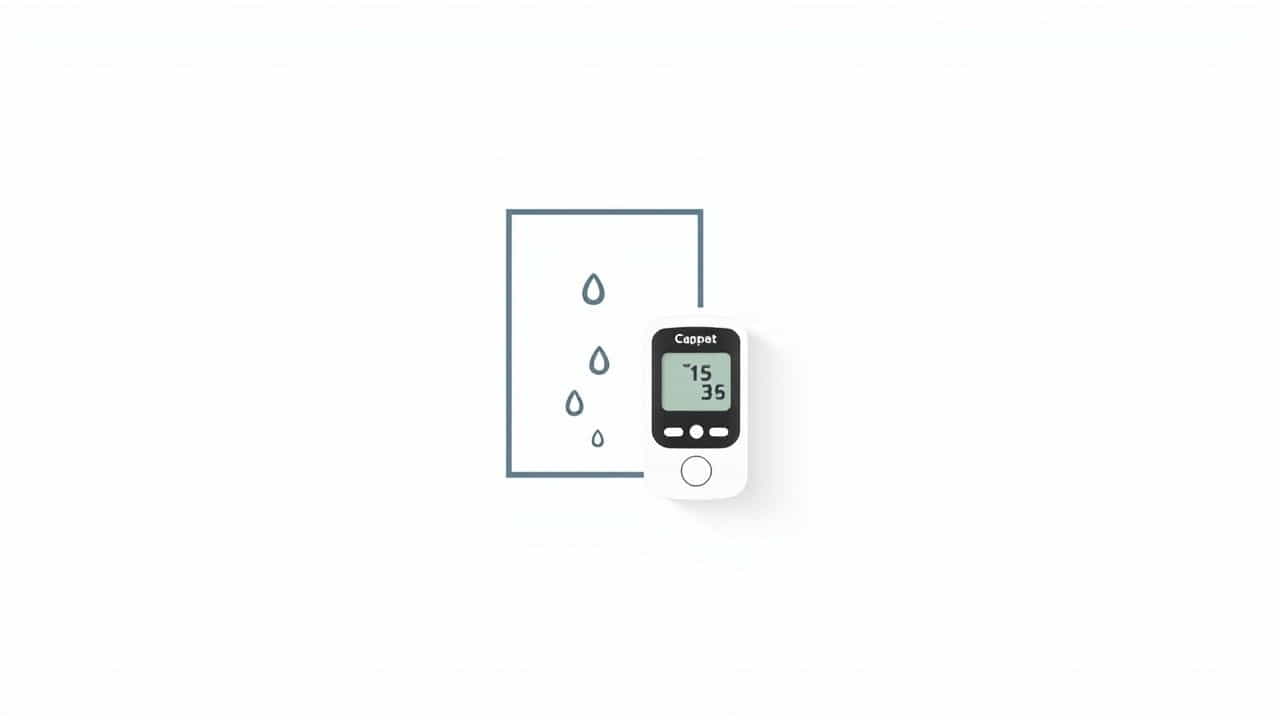
Damp walls can lead to serious structural and health problems in homes and buildings. Excess moisture in walls can cause mold growth, peeling paint, weak foundations, and poor indoor air quality. Identifying dampness early helps prevent costly repairs and ensures a safe living environment.
This topic explains how to measure dampness in walls, the tools required, common causes of moisture buildup, and effective ways to prevent damp issues.
Why Is It Important to Measure Dampness in Walls?
Unchecked dampness can lead to:
-
Structural damage – Weakens walls, leading to cracks and potential collapse.
-
Mold and mildew growth – Triggers allergies, respiratory problems, and foul odors.
-
Increased energy costs – Damp walls reduce insulation efficiency, increasing heating and cooling expenses.
-
Paint and wallpaper damage – Causes peeling, discoloration, and bubbling.
By measuring moisture levels, homeowners and builders can take timely action to fix damp problems before they worsen.
Common Causes of Dampness in Walls
1. Rising Damp
Occurs when groundwater seeps up through walls due to a lack of proper damp-proofing. Common in older buildings.
2. Penetrating Damp
Happens when rainwater enters through cracks, leaks, or porous materials. Usually affects external walls.
3. Condensation
Caused by poor ventilation, leading to water buildup inside walls. Common in bathrooms, kitchens, and basements.
4. Plumbing Leaks
Hidden pipe leaks behind walls can result in long-term dampness and mold problems.
5. Poor Drainage
Water pooling around the foundation can seep into walls over time.
How to Measure Dampness in Walls
There are several methods to detect and measure moisture levels in walls.
1. Visual Inspection
Look for visible signs of dampness, such as:
-
Dark patches or stains on walls.
-
Peeling or bubbling paint and wallpaper.
-
White salt deposits (efflorescence), indicating water movement through masonry.
-
Musty odors, suggesting hidden mold or mildew.
2. Touch Test
Run your hand over the wall surface:
-
If it feels cold and clammy, moisture may be present.
-
If it feels soft or spongy, the wall material may be weakening due to dampness.
3. Hygrometer (Humidity Meter)
A hygrometer measures the humidity level inside a room. If readings are above 60%, there may be excessive moisture contributing to wall dampness.
4. Moisture Meter (Damp Meter)
A moisture meter is the most reliable tool for measuring dampness. There are two types:
Pin-Type Moisture Meters
-
Uses metal probes inserted into the wall to detect moisture content.
-
Provides accurate readings in wood, plaster, and drywall.
-
Best for checking localized damp spots.
Pinless Moisture Meters
-
Uses sensors to measure moisture levels without damaging the wall.
-
Ideal for large surface areas and deep moisture detection.
-
Less accurate on rough or textured walls.
5. Infrared Thermal Imaging
-
Detects temperature variations in walls caused by moisture.
-
Helps locate hidden leaks and damp areas.
-
Commonly used by professionals for comprehensive damp assessments.
Interpreting Moisture Readings
Moisture meter readings are usually displayed as a percentage (%).
| Material | Dry Range | Moderate Moisture | High Moisture (Damp) |
|---|---|---|---|
| Drywall | 0-10% | 10-17% | 17%+ |
| Plaster | 0-5% | 5-10% | 10%+ |
| Concrete | 0-3% | 3-5% | 5%+ |
| Wood | 6-12% | 12-17% | 17%+ |
If moisture readings are in the high range, further investigation is needed to identify the source and take corrective action.
How to Prevent and Fix Damp Walls
1. Improve Ventilation
-
Open windows daily to reduce humidity levels.
-
Use exhaust fans in kitchens and bathrooms.
-
Install a dehumidifier in damp-prone areas.
2. Repair Leaks and Cracks
-
Fix leaking pipes inside walls.
-
Seal cracks in external walls to prevent water entry.
-
Check the roof for broken tiles or faulty flashing.
3. Apply Damp-Proof Treatments
-
Use damp-proof paint to create a water-resistant barrier.
-
Inject damp-proof cream to prevent rising damp.
-
Install a damp-proof membrane in basements and foundations.
4. Improve Drainage Around the House
-
Keep gutters and downspouts clean to direct water away from walls.
-
Slope the ground away from the foundation to prevent water pooling.
-
Install a French drain to channel excess groundwater.
5. Use Absorbent Materials
-
Place silica gel or moisture absorbers in damp rooms.
-
Use breathable wall coatings that allow moisture to escape.
When to Call a Professional
If dampness persists despite your efforts, consult a building surveyor or moisture specialist. Professional assessments include:
-
Detailed moisture mapping to locate the problem.
-
Structural repairs to prevent long-term damage.
-
Specialized drying techniques for severe damp issues.
Measuring dampness in walls is essential for maintaining a safe and durable home. Using tools like moisture meters, hygrometers, and thermal imaging, homeowners can detect dampness early and take steps to prevent damage.
By ensuring good ventilation, repairing leaks, and applying damp-proof treatments, you can keep your walls dry, prevent mold growth, and protect your property from costly repairs.