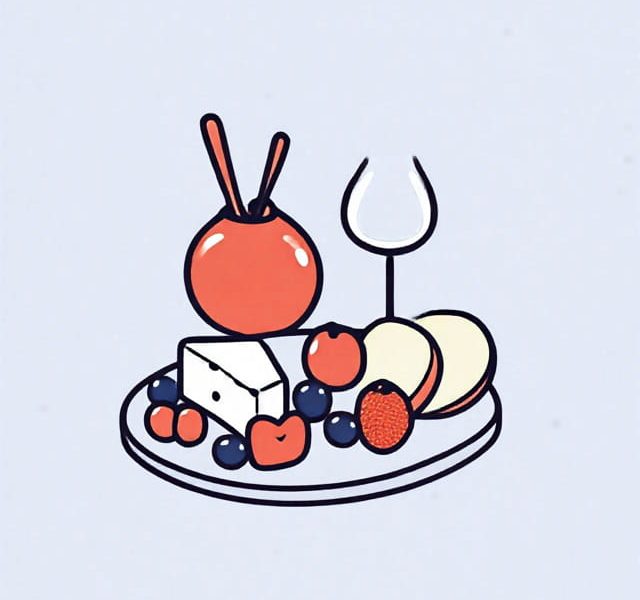
There’s something timeless and elegant about a fruit and cheese platter. Whether served at a dinner party, brunch gathering, holiday celebration, or casual afternoon picnic, this classic combination never fails to impress. A well-curated fruit and cheese platter offers a balance of textures, flavors, and colors that appeal to all the senses. It can be both visually stunning and incredibly satisfying, offering sweet, savory, creamy, crunchy, and juicy components in every bite. Whether you’re entertaining guests or just enjoying a quiet evening at home, a thoughtfully arranged fruit and cheese platter can transform any moment into a special occasion.
The Art of Pairing Fruit and Cheese
Why Fruit and Cheese Work Together
The natural sweetness and acidity of fruit complement the rich, salty, and often tangy flavor of cheese. This contrast creates harmony on the palate. For example, the sharpness of aged cheddar is mellowed by the sweetness of apple slices, while creamy brie finds its match in ripe figs or grapes. Each pairing brings out the best in the other, making the platter a sensory experience.
Balancing Flavors and Textures
A successful fruit and cheese platter should include a variety of textures and flavors. Think creamy, hard, aged, and fresh cheeses alongside juicy, crisp, dried, and tropical fruits. Balance is key too much sweetness or too much saltiness can overwhelm the taste buds. Aim for contrast and variety in every selection.
Types of Cheese for Your Platter
Popular Cheese Options
Choose cheeses with different textures and flavor profiles. A mix of soft, semi-soft, and hard cheeses ensures a diverse and satisfying platter. Some great options include:
- Brie or Camembert soft, creamy, and mild
- Cheddar firm, sharp, and tangy
- Goat Cheese soft, tangy, and spreadable
- Blue Cheese bold, pungent, and salty
- Gouda semi-soft and nutty
- Manchego firm and slightly sweet
How Much Cheese to Serve
As a general rule, plan for about 2 to 3 ounces of cheese per person if the platter is served as an appetizer. If the fruit and cheese platter is the main attraction, increase the amount to around 5 ounces per person.
Best Fruits for Cheese Pairing
Fresh Fruits
Fresh fruits bring brightness and juiciness to your platter. Popular choices include:
- Grapes sweet and easy to serve in clusters
- Apples crisp and slightly tart, perfect with sharp cheese
- Pears juicy and soft, great with blue or goat cheese
- Berries strawberries, blueberries, and raspberries add color and sweetness
- Figs fresh figs pair wonderfully with brie or goat cheese
Dried Fruits
Dried fruits offer concentrated sweetness and a chewy texture that contrasts nicely with cheese. Consider:
- Dried apricots
- Dates
- Raisins or golden raisins
- Dried cranberries
Tropical Fruits
Adding a few exotic choices like mango, kiwi, or pineapple can make your platter stand out and introduce unexpected flavor combinations.
Additional Items to Enhance the Platter
Crunchy Elements
To complete the fruit and cheese platter, add crunchy elements like:
- Crackers and breadsticks
- Toasted baguette slices
- Roasted nuts such as almonds, pecans, or walnuts
Savory and Sweet Extras
These extra touches elevate your platter even further:
- Olives or pickles for a briny contrast
- Honey or fig jam for a sweet drizzle
- Fresh herbs like rosemary or thyme for aroma
Arranging Your Fruit and Cheese Platter
Start with the Cheese
Place cheeses on the board first. Spread them out evenly, cutting some into slices or cubes for easy grabbing. Leave some cheeses whole with knives available for slicing.
Add the Fruit
Surround the cheeses with fresh and dried fruit, mixing colors and shapes to create a visually appealing layout. Fan out slices of apple or arrange grapes in small bunches to create volume and structure.
Fill in the Gaps
Use crackers, nuts, and garnishes to fill in empty spaces. This makes the platter look full and abundant. Group similar items together but allow for natural flow and creativity in the layout.
Tips for Serving
Temperature Matters
Cheese tastes best when served at room temperature. Remove it from the refrigerator about 30 to 60 minutes before serving. This allows the flavors and textures to fully develop.
Labeling for Guests
If you’re serving the platter at a party, consider labeling the different cheeses and fruits. This helps guests identify their favorites and prevents confusion for those with dietary restrictions.
Pair with Wine or Sparkling Water
Fruit and cheese platters pair wonderfully with wine. White wines like chardonnay or sauvignon blanc pair well with soft cheeses and fruits, while red wines like merlot or pinot noir complement stronger cheeses. For non-alcoholic options, sparkling water with citrus slices is a refreshing choice.
Occasions for a Fruit and Cheese Platter
Perfect for Any Event
Fruit and cheese platters are incredibly versatile and suitable for many events:
- Holiday parties
- Weddings and bridal showers
- Picnics and outdoor gatherings
- Wine tasting nights
- Brunch or afternoon tea
Everyday Enjoyment
You don’t need a special event to enjoy a fruit and cheese platter. It makes a lovely lunch or light dinner, especially when paired with a fresh salad or soup. It’s also a great option for solo indulgence or a cozy date night at home.
A fruit and cheese platter is a simple yet sophisticated way to enjoy a variety of flavors and textures. With the right balance of sweet, salty, creamy, and crunchy, it creates a delightful experience for the senses. Whether you’re planning an elegant gathering or just treating yourself to something special, a fruit and cheese platter is always a welcome addition. With endless combinations to explore, this timeless classic will continue to be a favorite for years to come.