Food Chain Magnate is a deep, strategic board game that challenges players to build and manage their own fast-food empires. Designed by Jeroen Doumen and Joris Wiersinga of Splotter Spellen, this game is known for its intricate mechanics, retro design, and unforgiving competition. The rules may seem overwhelming at first, but understanding them is essential to mastering the game. With strategic planning, smart hiring, and clever marketing, players can gain a competitive edge. Below is a comprehensive guide to the rules of Food Chain Magnate, covering setup, structure, actions, and winning strategies.
Game Overview
Food Chain Magnate is a game for 2 to 5 players, typically lasting 2 to 4 hours. Each player takes on the role of a restaurant owner aiming to earn the most money by the end of the game. The game is built around concepts like hiring staff, training employees, advertising food and drinks, building supply chains, and managing demand among neighborhood customers.
Objective of the Game
The primary goal is to accumulate the most money by the end of the game. Revenue is earned by selling food and beverages to houses and gardens on the map, based on what those customers demand. The game ends when the bank runs out of money for the second time.
Game Setup
- Lay out the modular map tiles based on the number of players.
- Each player receives a restaurant headquarters, a reserve of employee cards, and a turn order card.
- The ‘Bank Pool’ is set with a fixed amount of money, depending on player count and chosen length of game.
- Deal out milestone cards that offer permanent bonuses for being the first to achieve specific tasks.
The map includes houses, gardens, roads, and open spaces where players can place restaurants and tiles. Player pieces and tokens represent various foods, drinks, employees, and advertising campaigns.
Game Phases
1. Turn Order Phase
At the beginning of each round, players determine turn order based on the hierarchy in their company structure. Whoever has the highest-positioned employee (like a CEO or CFO) takes their turn first. This makes strategic hiring and promotion important.
2. Structure Your Company
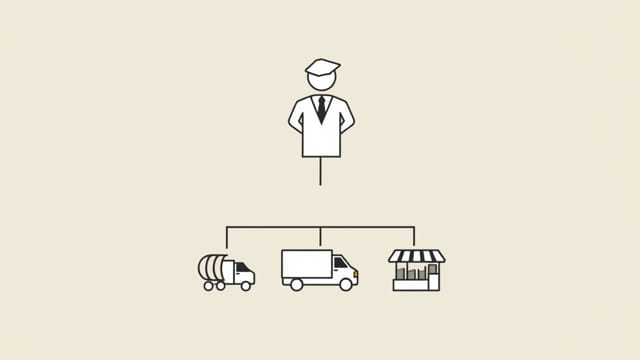
In this phase, players assign roles for their employees by building a company structure. Each player has a CEO at the top of their company hierarchy, and all other employees must be placed below an employee who can manage them. Management cards like Managers, Executives, and COOs are crucial for this phase, as they determine how many subordinates can work each round.
3. Recruitment and Training
Players can hire new employees or train existing ones. Hiring requires recruiters, while training requires trainers. Each employee card shows the training time required to upgrade to a better role. Efficient hiring and training paths can make a huge difference over the course of the game.
4. Marketing Phase
Employees like Marketers, Billboards, and Airplane Banners advertise food and drinks to specific houses on the map. Once a house is influenced by an advertisement, it develops a preference and will only buy those specific products. Marketing is powerful because it drives demand and can lock opponents out of potential sales if they can’t supply the right items.
5. Business Phase
This is the heart of each turn, where players use their kitchen staff, delivery drivers, and purchasing managers to produce food, acquire drinks, and deliver to customers. Only the restaurant offering the lowest total price (including distance and discounts) will win the sale. Players must balance price, distance, and customer preferences to succeed in this phase.
6. Payday Phase
Players must pay their employees. Salaries are shown on each employee card. Unpaid employees go back to the reserve and must be rehired. Efficient money management is key to avoiding staff loss and keeping operations smooth.
Employee Types and Roles
The variety of employees in Food Chain Magnate adds depth and complexity. Some of the most important types include:
- CEO: The starting card that manages other employees.
- Recruiter: Hires new employees.
- Trainer: Trains employees to higher positions.
- Waitress: Provides income bonuses during sales.
- Cooks: Produce burgers and pizzas.
- Drink Specialists: Acquire drinks like soda, lemonade, or beer.
- Marketers: Advertise specific food or drinks to nearby houses.
- Managers: Increase the number of employees that can be used.
- Delivery Drivers: Transport goods from the restaurant to the customers.
Milestone Cards
Milestones provide significant advantages and are awarded to players who are the first to accomplish certain tasks. Examples include:
- First to train an employee
- First to sell a burger
- First to run a marketing campaign
These cards can give permanent abilities like reducing salaries, doubling the effect of employees, or allowing additional actions. Because they can only be claimed once, rushing for early milestones can be a key strategy.
Winning Strategies
Winning in Food Chain Magnate requires careful planning, adaptability, and timing. Here are some tips:
- Focus on efficiency: Don’t hire more than you can pay. Build a structure that maximizes your available workforce.
- Control demand: Use marketing to dictate what customers want, then ensure you’re the only one who can fulfill it.
- Expand wisely: Placing new restaurants closer to neighborhoods can help dominate local markets.
- Use pricing tactics: Underpricing competitors can help you secure sales, but watch your margins.
- React to the board: If another player markets aggressively, consider alternative strategies like price cutting or focusing on unserved areas.
End Game and Final Scoring
The game ends when the bank pool is emptied for the second time. At that point, the player with the most money wins. There are no points for buildings, leftover food, or employees. Every decision should be made with profit in mind. Wasteful hiring or inefficient marketing can cost valuable cash and hand victory to a more strategic player.
Food Chain Magnate rules create a demanding yet rewarding board game experience. It blends economics, logistics, and ruthless competition into a unique gameplay formula. Mastering the rules is essential, as one mistake can set a player back several turns. The game rewards those who think ahead, optimize resources, and adapt to the changing market. Whether you’re new to the game or looking to improve, understanding the core mechanics and strategic possibilities will give you an edge in becoming the ultimate food chain magnate.