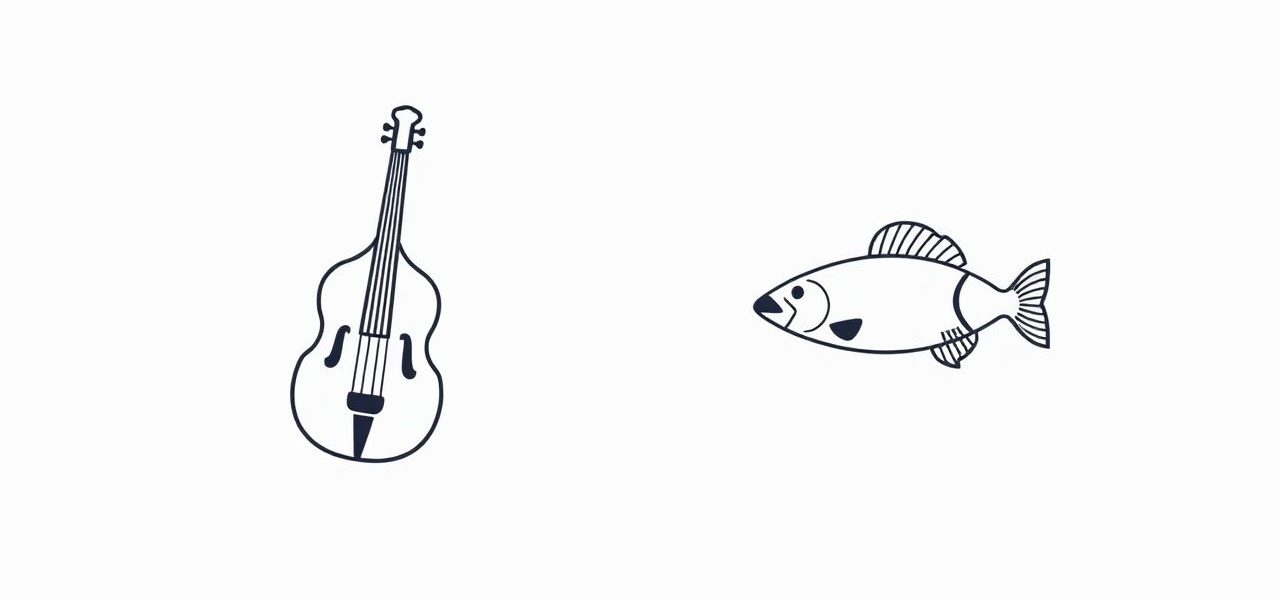
The English language is full of words that look the same but have different meanings and pronunciations. These words are known as homographs. One interesting example of homographs is the word ‘bass.’ This single spelling represents two distinct words with different pronunciations, meanings, and uses. Understanding the homographs ‘bass’ and how they function in different contexts can help learners of English avoid confusion and communicate more effectively. This topic explores the two main meanings of ‘bass,’ their pronunciations, examples, and how to distinguish between them in everyday usage.
What Are Homographs?
Homographs are words that share the same spelling but differ in meaning, pronunciation, or both. They can be challenging because readers or listeners must use context clues to understand which meaning is intended. Homographs are common in English and enrich the language but require careful attention.
The word ‘bass’ is a classic homograph with two primary meanings and pronunciations, illustrating the concept perfectly.
The Two Meanings of ‘Bass’
1. Bass (Pronounced /bæs/)
The first meaning of ‘bass’ refers to a type of fish. It is pronounced with a short ‘a’ sound, like ‘mass’ or ‘pass.’ Bass fish are popular in freshwater fishing and are known for their size and strength. This meaning is often used in contexts related to fishing, aquatic life, or cuisine.
- Example sentence: ‘He caught a large bass in the lake this morning.’
- Example sentence: ‘Bass is a common fish found in North American rivers.’
2. Bass (Pronounced /beɪs/)
The second meaning of ‘bass’ relates to sound and music. Pronounced with a long ‘a’ as in ‘face’ or ‘place,’ this ‘bass’ refers to the lower range of sound frequencies or instruments that produce these deep tones. It can describe the bass guitar, bass vocals, or bass notes in music.
- Example sentence: ‘The bass guitar adds depth to the band’s sound.’
- Example sentence: ‘She has a deep bass voice that fills the room.’
How to Distinguish Between the Two ‘Bass’ Words
Since both words are spelled identically but pronounced differently and mean different things, context is the key to understanding and using ‘bass’ correctly. Here are some tips to help differentiate:
- Topic of Conversation: If the discussion is about fishing, water, or animals, ‘bass’ will likely refer to the fish (/bæs/).
- Musical Context: When talking about music, instruments, or sounds, ‘bass’ probably means the low-frequency sound or instrument (/beɪs/).
- Pronunciation Clues: In spoken English, listening to the pronunciation guides the meaning.
- Accompanying Words: Words like ‘guitar,’ ‘voice,’ or ‘notes’ suggest the musical ‘bass.’ Words like ‘lake,’ ‘catch,’ or ‘fishing’ point to the fish meaning.
Examples of ‘Bass’ in Sentences
Bass as a Fish (/bæs/)
Understanding how ‘bass’ is used in sentences as a fish can improve vocabulary and comprehension in nature and culinary contexts.
- ‘The bass swam near the rocks, waiting for its prey.’
- ‘Fishermen often compete to catch the biggest bass.’
- ‘Grilled bass with lemon and herbs is a delicious meal.’
Bass in Music (/beɪs/)
Examples of ‘bass’ related to music help demonstrate its role in audio and performance settings.
- ‘The DJ increased the bass to make the music feel more energetic.’
- ‘He plays bass in a jazz band.’
- ‘The bass line in this song is very catchy.’
More About the Musical ‘Bass’
The musical ‘bass’ is a significant concept in music theory and performance. It refers to the lower end of the sound spectrum and includes various instruments and voices:
- Bass Guitar: A string instrument that provides the rhythmic and harmonic foundation in many music genres.
- Bass Voice: The lowest male singing voice.
- Bass Clef: A musical notation symbol used for low-pitched notes.
- Bass Drum: A large drum that produces deep sounds.
Understanding these different uses of ‘bass’ enriches one’s musical vocabulary and appreciation.
More About the Fish ‘Bass’
The fish known as ‘bass’ includes several species popular in sport fishing and culinary arts. Some well-known types are:
- Largemouth Bass: Found in freshwater lakes and rivers, known for its large mouth and fighting spirit.
- Smallmouth Bass: Known for its smaller mouth and aggressive behavior.
- Striped Bass: A popular saltwater and freshwater fish prized for sport and eating.
Knowing these species can help those interested in fishing or marine biology.
Common Confusions and Mistakes
Since ‘bass’ can cause confusion, especially for English learners, here are some common errors and how to avoid them:
- Pronunciation Mistakes: Don’t pronounce the fish ‘bass’ as /beɪs/ or the musical ‘bass’ as /bæs/. Listening and practicing help.
- Misunderstanding Context: Pay attention to the surrounding words and topic to interpret the correct meaning.
- Spelling Confusion: Both words are spelled the same, so spelling won’t help differentiate meaning in writing, only context.
Fun Facts About Bass Homographs
- The musical term ‘bass’ comes from the Italian word ‘basso,’ meaning low.
- The fish ‘bass’ name originates from Old English, referring to various types of fish.
- Both words have been in use for centuries but evolved separately.
- In some cases, regional accents might blur the pronunciation difference, but standard pronunciation remains distinct.
Understanding the homographs ‘bass’ is a fascinating glimpse into the complexities of the English language. The word represents two entirely different things a fish and a musical term each with its own pronunciation and context. By paying attention to the topic of conversation, pronunciation, and accompanying words, one can easily determine the intended meaning. Whether you are discussing fishing or music, knowing these homographs improves both comprehension and communication. Mastering such nuances is a great step toward fluency and enjoying the rich variety of English vocabulary.