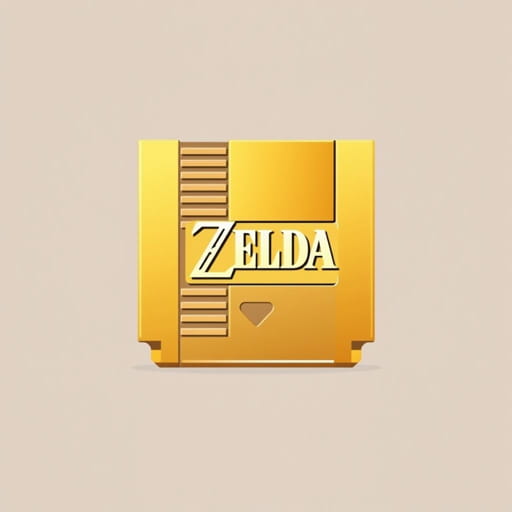
For collectors and nostalgic gamers alike, few video game cartridges carry as much legacy and fascination as the gold-colored version of The Legend of Zelda for the Nintendo Entertainment System (NES). Released in the late 1980s, this shimmering cartridge stood out on store shelves and marked a turning point in gaming history. More than just a playable title, the Zelda NES gold cartridge has become a treasured collector’s item. Its value today is driven by factors such as rarity, condition, version, and historical relevance. Whether you’re holding onto one or considering buying, understanding what determines its worth is key to navigating the retro game market.
Background of the Gold Cartridge
Why the Gold Cartridge Was Special
The original The Legend of Zelda was released in North America in 1987 and featured a distinctive gold-colored plastic shell instead of the standard gray used for most NES games. This was a deliberate marketing move by Nintendo to highlight the game’s significance. It was the first NES game to include a battery for saving game progress, and its expansive world, non-linear gameplay, and deep lore were groundbreaking at the time.
The golden shell quickly became iconic, helping cement Zelda’s legacy in video game history. It not only symbolized prestige and innovation but also made the cartridge more memorable to consumers. Over the years, the cartridge’s unique look became synonymous with classic gaming, and collectors began seeking it out more aggressively as the years passed.
Variations of the Gold Cartridge
There are a few different versions of the Zelda gold cartridge that affect its value:
- First Print Run (1987): This edition has the NES-RZ-USA code and comes with a ‘REV-A’ oval Nintendo Seal of Quality. It’s often the most sought-after version.
- Later Gold Reprints: Still gold, but these have minor label differences and can sometimes include an updated seal.
- Classic Series Gray Cartridge: Released later as part of the NES Classic Series, these aren’t gold and are generally worth less.
Knowing which version you have is crucial. A first-print gold cartridge in good condition can be worth significantly more than a reissue.
Factors That Determine Value
1. Condition
The most important factor in determining the value of a Zelda NES gold cartridge is its physical condition. Collectors evaluate condition based on the following:
- Label Integrity: Scratches, tears, or faded printing on the label can dramatically reduce value.
- Cartridge Shell: Cracks, discoloration, or heavy wear can detract from its desirability.
- Functionality: While some collectors buy for display only, many still want a working game.
A mint-condition cartridge with its original label and minimal cosmetic damage can fetch much higher prices, especially if the internals are original and fully functional.
2. Completeness
Collectors often seek complete-in-box (CIB) versions. A fully complete Zelda NES package includes:
- Gold cartridge
- Original box (with gold or black background)
- Instruction manual
- Game map and registration card (rare extras)
- Cardboard tray and sleeve
A CIB set in excellent condition can be worth several hundred dollars or more. A factory-sealed version can even reach four-figure prices at auction or through specialized retailers.
3. Region and Authenticity
Authenticity is vital in the retro gaming market. Fake or reproduction cartridges have flooded online marketplaces, especially for high-value games like Zelda. Genuine NES gold cartridges were produced primarily for the North American market. If your copy lacks the proper markings or serial numbers, it may be a reproduction.
Collectors prefer cartridges with:
- Official Nintendo Seal of Quality
- Correct label artwork and printing
- Original Nintendo PCB inside (not third-party)
Having your cartridge authenticated by a reputable grading company like WATA or VGA can provide assurance and increase resale value.
4. Market Trends
The value of retro games fluctuates based on demand, nostalgia cycles, and pop culture trends. For example, anniversaries of the Zelda series or the release of new games like Breath of the Wild or Tears of the Kingdom can increase interest in the franchise’s origins. During these peaks, prices for original memorabilia, including the gold NES cartridge, tend to rise.
eBay auctions, collector forums, and retro game conventions are good places to monitor current market values. While some listings can be inflated, looking at completed sales gives a better idea of true selling prices.
Price Ranges by Condition
Loose Cartridge
- Poor Condition: $30-$50
- Good Condition: $70-$120
- Excellent Condition: $150-$200+
Complete in Box (CIB)
- Fair Condition: $200-$300
- Good Condition: $400-$600
- Mint or Near Mint: $800-$1,200
Factory-Sealed
- Graded or Authenticated: $2,000-$10,000+
These are general estimates and can shift based on auction competitiveness and demand.
Tips for Collectors and Sellers
For Buyers
- Verify authenticity before purchasing, especially on online marketplaces.
- Ask for high-resolution photos of labels, contacts, and internal boards.
- Compare prices across multiple platforms to avoid overpaying.
- Consider buying CIB or sealed if you’re investing long-term.
For Sellers
- Clean the cartridge carefully, but avoid harsh chemicals that could damage the label.
- Provide detailed descriptions and photos to build buyer trust.
- Mention any accessories or paperwork included with the cartridge.
- If possible, get your copy graded to validate condition and maximize value.
The Legacy of the Zelda NES Gold Cartridge
The gold cartridge for The Legend of Zelda is more than just a piece of plastic. It represents the birth of one of gaming’s most beloved franchises. It was innovative for its time, introducing battery saves and a rich, non-linear world. Today, it holds a special place in the hearts of gamers, historians, and collectors.
Its value is not only monetary but also symbolic. Holding one is like owning a part of video game history. As nostalgia continues to grow and retro gaming remains in the spotlight, the Zelda NES gold cartridge will likely retain its status as a treasured collectible. Whether you’re looking to sell, buy, or simply admire, understanding the cartridge’s significance and market dynamics is essential in appreciating its timeless appeal.