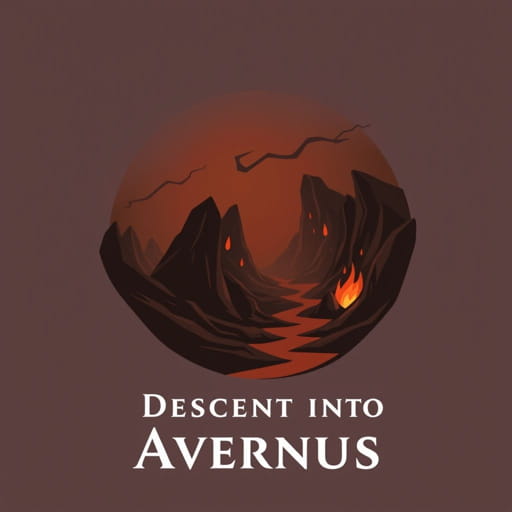
Descent into Avernus is a unique Magic: The Gathering card that brings chaos and danger to any game it enters. With its flavor rooted in the infernal themes of Dungeons & Dragons’ Avernus setting, this card represents a descent into hellish power at a cost. As a red enchantment that affects every player each turn, Descent into Avernus creates a rapidly escalating battlefield, where mana and damage accumulate simultaneously. It’s a card that rewards aggressive strategies and punishes passivity. Whether you’re building around it or preparing to counter it, understanding how this enchantment functions is key to mastering its place in MTG gameplay.
Card Overview
Basic Card Details
Descent into Avernus is a red enchantment that costs 2R (two colorless and one red mana) to cast. Its rules text reads:
- At the beginning of your upkeep, put two descent counters on Descent into Avernus. Then each player creates X Treasure tokens and Descent into Avernus deals X damage to each player, where X is the number of descent counters on it.
This ability triggers automatically during your upkeep, and its effects quickly scale as descent counters increase. The longer it stays on the battlefield, the more extreme the game becomes.
Mechanics Breakdown
Descent into Avernus introduces a compounding mechanic. Every turn it adds two counters, increasing X exponentially as the game progresses. The Treasures generated offer acceleration and enable explosive plays, but the damage it deals cannot be ignored. It’s a classic risk-reward card that aligns perfectly with red’s flavor identity speed, fire, and chaos.
Strategic Uses of Descent into Avernus
Aggro and Burn Decks
Descent into Avernus shines in aggressive decks that want to end the game quickly. The extra Treasures allow you to cast more threats or burn spells, and the self-inflicted damage speeds up the race toward a game-ending finish. In decks that focus on burn or fast creatures, the card becomes an indirect win condition by pressuring life totals on all sides.
Treasure Synergy Decks
Another powerful application of Descent into Avernus is in decks that capitalize on Treasure tokens. Cards likeRevel in Riches,Professional Face-Breaker, orGoldspan Dragonthrive in environments rich in Treasure generation. You can also pair it with cards that care about artifacts entering the battlefield, further increasing its utility.
Group Slug Archetypes
Descent into Avernus fits naturally into ‘group slug’ decks Commander strategies that deal symmetrical damage to all players. In this setting, cards likeManabarbs,Polluted Bonds, orUnderworld Dreamscomplement its symmetrical burn by turning every mana or card draw into pain. This keeps pressure on the entire board and deters players from ignoring your game plan.
Commander Potential
Choosing the Right Commander
In Commander (EDH), Descent into Avernus is best used under commanders that either:
- Take advantage of Treasures (e.g., Prosper, Tome-Bound)
- Convert group damage into personal advantage (e.g., Torbran, Thane of Red Fell)
- Encourage fast games or chaos (e.g., Neheb, the Eternal or Kaervek the Merciless)
With the right support, Descent into Avernus can be a key engine in decks that aim to dominate early or punish prolonged games. It also adds a flavor boost to decks inspired by D&D’s Nine Hells or Infernal themes.
Building Around It
When including this enchantment in a Commander deck, make sure to balance the incoming damage with life gain, pillow fort strategies, or even damage redirection. Cards likeVarchild’s War-Riders,Deflecting Palm, orFurnace of Rathcan either mitigate the card’s downside or double its effect, depending on your goals.
Risks and Weaknesses
Symmetrical Effects Can Backfire
One of the biggest risks of Descent into Avernus is its symmetrical nature. Every player gains Treasures, and every player takes damage. In a multiplayer setting, this could easily lead to another player capitalizing better than you. If opponents are playing lifegain, control, or are better positioned to use the extra mana, they may benefit more than you do.
Removal Vulnerability
As with any enchantment, Descent into Avernus is vulnerable to removal. A smart opponent might let you invest in the build-up only to destroy it when it becomes most beneficial. Cards likeReturn to NatureorDisenchantcan wipe it out quickly, potentially wasting your planning.
Self-Destructive in Long Games
Because the damage scales each turn, it can become suicidal in games that last too long. For example, by turn five, the descent counters will already be at eight (if cast on turn two), dealing 8 damage to everyone and giving 8 Treasures. The intensity becomes hard to control, and if you haven’t won the game by then, you might find yourself in a dangerous position.
Combos and Synergies
Damage Amplifiers
Cards that increase damage dealt can make Descent into Avernus even deadlier. Consider cards like:
- Torbran, Thane of Red Fell
- Fiery Emancipation
- Dictate of the Twin Gods
These can double or triple the damage each player takes, accelerating the game’s end or forcing panic plays from your opponents.
Treasure Payoffs
With a steady stream of Treasures, include cards that reward you for having or sacrificing them:
- Revel in Riches
- Dockside Extortionist (for more synergy)
- Academy Manufactor (in artifact-heavy decks)
These can shift the balance in your favor, especially if you’re using artifacts as a core strategy in your deck.
Flavor and Lore Connections
Descent into Avernus is inspired by the Dungeons & Dragons module Baldur’s Gate: Descent into Avernus, which sees players journeying into the first layer of the Nine Hells. The card reflects this theme perfectly: the lure of power in the form of Treasures and the increasing cost life itself as you delve deeper into infernal influence.
The name, art, and escalating effect mimic a descent into madness and destruction, making it not only mechanically interesting but also flavorful for fans of D&D and MTG alike. It adds rich thematic value to decks that embrace chaos, fire, or devilish temptation.
Descent into Avernus is not just another enchantment it’s a ticking time bomb, a game accelerator, and a flavor-packed nod to one of the most iconic settings in fantasy lore. Its ability to create Treasure and deal symmetrical damage each turn adds a dynamic layer to gameplay, rewarding speed and punishing hesitation. Whether you’re building around it in Commander or trying it in casual constructed formats, understanding how to manage and manipulate its mechanics is vital. Used wisely, Descent into Avernus can be a fiery engine of victory but if misplayed, it might drag you down with everyone else into the inferno.