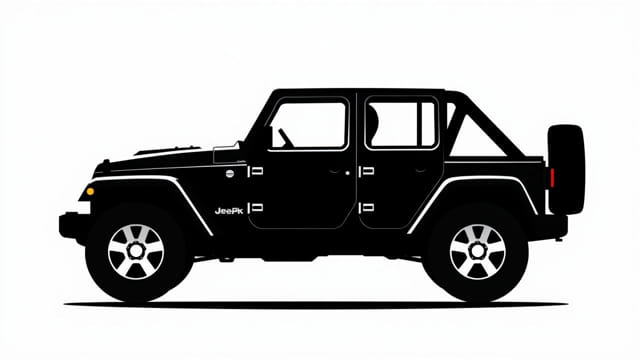
Owners of the Jeep Wrangler JK, produced between 2007 and 2018, often praise it for its rugged design, off-road capabilities, and unmistakable style. However, many have also encountered a common issue that can affect the driving experience twitchy or overly sensitive steering. This characteristic can make highway driving less comfortable and off-road precision more challenging. Whether you’ve just noticed it or have been battling it for a while, understanding the causes and solutions behind Jeep JK twitchy steering is essential for a smoother, safer, and more enjoyable ride.
Understanding Twitchy Steering in the Jeep JK
What Is Twitchy Steering?
Twitchy steering refers to a situation where the steering wheel feels overly sensitive, reacting too much to small inputs. In a Jeep JK, this can cause the vehicle to wander on the road, feel unstable at higher speeds, or require constant correction to maintain a straight line. While some level of play is normal for solid-axle vehicles, excessive twitchiness can become a concern that affects driver confidence and safety.
Symptoms of the Problem
- Vehicle pulls side to side at highway speeds
- Steering feels loose or overly responsive
- Frequent small corrections needed while driving straight
- Uneven tire wear due to alignment issues
- Difficulty maintaining lane position
Common Causes of Jeep JK Twitchy Steering
1. Worn Steering Components
One of the most common causes of twitchy steering in a Jeep JK is worn-out steering components. The tie rod ends, drag link, and ball joints can degrade over time, especially in off-road environments. If these parts are loose or damaged, the steering system loses its precision and can feel jittery or unstable.
2. Improper Alignment
Alignment settings such as toe, caster, and camber have a significant impact on steering behavior. A Jeep JK with too little caster angle may feel unstable at speed, while incorrect toe settings can make it twitchy and prone to wandering. Lifts and larger tires often require re-alignment to avoid these issues.
3. Loose Track Bar
The front track bar is essential for maintaining axle alignment under the Jeep. If the track bar is loose or its bushings are worn, the front axle can shift side to side independently of the steering input, resulting in vague or twitchy handling.
4. Lift Kits Without Supporting Mods
Many Jeep JK owners install lift kits to improve off-road performance. However, lifting a vehicle changes its suspension geometry. Without addressing components like adjustable control arms, track bars, or steering stabilizers, the lift can cause instability and twitchy steering on the road.
5. Oversized Tires
Upgrading to larger tires is a common mod, but it can increase bump steer and reduce steering precision if not matched with the appropriate suspension and steering upgrades. Bigger tires also put more stress on steering components, accelerating wear.
6. Steering Box Issues
Sometimes, the issue may lie within the steering box itself. A worn or loose steering gear can introduce play into the system, requiring constant corrections. Upgraded or aftermarket steering boxes are available for those facing this problem.
Diagnosing the Problem
Step-by-Step Inspection
- Check for play in tie rod ends and drag link connections
- Inspect the condition of the ball joints and control arms
- Ensure track bar bolts are torqued to spec and bushings are intact
- Measure alignment angles: caster, camber, and toe
- Look for signs of tire cupping or uneven wear
- Evaluate steering box slop and consider adjustment or replacement
Having a certified mechanic or a trusted Jeep specialist perform a detailed suspension and steering inspection is highly recommended, especially if the issue persists despite basic fixes.
Solutions to Fix Twitchy Steering
Upgrade or Replace Worn Components
Replacing worn tie rod ends, ball joints, or drag link assemblies with quality OEM or aftermarket parts can restore steering firmness. Upgraded heavy-duty components often last longer and perform better in off-road environments.
Correct Alignment After Suspension Modifications
If your Jeep has been lifted, getting a professional alignment tailored to the new ride height is essential. Aim for a caster angle between 4 and 7 degrees for best highway stability, depending on lift height and tire size.
Install a Steering Stabilizer
A high-quality steering stabilizer can reduce bump steer and smooth out the twitchy feel. While it won’t fix underlying mechanical issues, it can greatly improve comfort and handling when used in conjunction with other upgrades.
Reinforce or Upgrade the Track Bar
Installing an adjustable or heavy-duty track bar can eliminate axle shift and restore directional control. Be sure to tighten all bolts to the manufacturer’s torque specs to prevent movement under load.
Consider a Steering Box Brace
Adding a steering box brace helps reduce flex at the mounting point, especially with larger tires or on lifted setups. This modification reinforces the steering linkage and prevents premature failure of the steering gear.
Reduce Tire Pressure
Sometimes, overly inflated tires can exaggerate steering feedback. Check your tire pressure and reduce it to recommended levels, especially when running aftermarket or oversized tires.
Preventive Maintenance Tips
Keep Suspension in Top Shape
- Regularly grease suspension joints and steering components
- Check for wear after off-roading or long trips
- Inspect bushings and mounts for cracks or damage
Perform Regular Alignments
After any suspension change or every 10,00015,000 miles, schedule an alignment to maintain correct geometry and handling characteristics.
Use Quality Parts
Cheap aftermarket components can wear quickly or introduce new problems. Invest in reputable brands when replacing parts critical to steering and suspension systems.
When to Seek Professional Help
If you’ve tried the common fixes and your Jeep JK steering still feels twitchy, it’s time to consult a suspension expert or off-road shop. They can perform in-depth diagnostics using alignment machines, chassis measurement tools, and even test drives to replicate the issue. Professional input is invaluable for identifying issues like frame misalignment or advanced steering box wear that might not be obvious at first glance.
Twitchy steering in the Jeep JK can be frustrating, but it’s usually the result of fixable mechanical or alignment issues. Whether you’re dealing with worn components, misaligned suspension, or the side effects of aftermarket modifications, there are effective solutions available. By diagnosing the problem carefully and applying targeted upgrades or adjustments, you can transform your Jeep into a more stable, confident vehicle on both the highway and the trail. With proper care, your JK can retain its adventurous spirit without compromising on steering control and driver confidence.