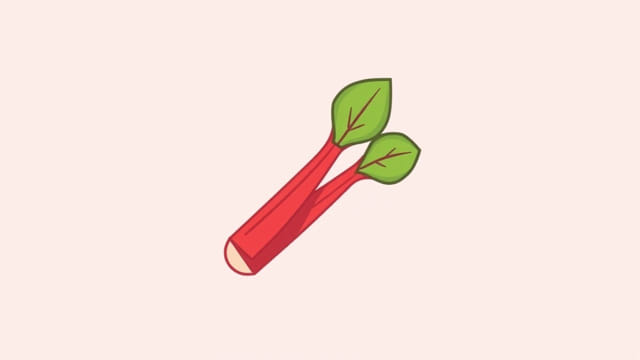
Rheum is a genus of plants that includes several species commonly known as rhubarb. This plant is famous for its tart, tangy flavor, often used in cooking and baking. However, not all parts of the rheum plant are edible, and some parts can even be harmful if consumed. Understanding which part of rheum is safe to eat and how to properly prepare it is essential for anyone interested in using this plant in their recipes. This topic will explore the edible parts of rheum, how to distinguish them from the inedible parts, and important safety considerations to keep in mind.
What Is Rheum?
Rheum refers to a group of perennial plants that grow from thick, fleshy roots and produce large leaves with long stalks called petioles. The most commonly cultivated species is Rheum rhabarbarum, often simply called rhubarb. It is native to Asia but is now widely grown in many parts of the world, particularly in temperate climates. Rheum plants have a characteristic sour flavor due to the presence of natural acids, which make them popular for use in pies, jams, sauces, and desserts.
Key Characteristics of Rheum Plants
- Large, broad leaves with a rough texture
- Long, thick, edible stalks (petioles) that are usually red, pink, or green
- Strongly tart flavor primarily found in the stalks
- Perennial growth with underground rhizomes or roots
The Edible Part of Rheum: The Stalks
The part of the rheum plant that is edible is the stalk, also known as the petiole. These stalks are the fleshy, crisp stems that connect the leaf blades to the root system. They have a firm texture and a bright color ranging from red to pale green. When cooked, the stalks become soft and release their characteristic tart flavor, making them ideal for sweet and savory dishes.
Why Only the Stalks Are Edible
The stalks contain organic acids such as malic and citric acid, which give them their distinctive sourness but are safe to consume in moderate amounts. They are also rich in fiber, vitamins, and antioxidants. However, the stalks do not contain high levels of harmful compounds, making them suitable for eating after proper preparation.
Common Uses for Rheum Stalks
- Rhubarb pie and other baked desserts
- Jams and preserves
- Sauces and compotes paired with meats or poultry
- Fresh juices and smoothies
- Flavoring in beverages and cocktails
Non-Edible Parts of Rheum: The Leaves
While the stalks are edible, the leaves of rheum plants are not safe to consume. In fact, the leaves contain high concentrations of oxalic acid and other toxic compounds, which can be harmful or even fatal if ingested in significant amounts. These substances can cause symptoms such as stomach pain, nausea, vomiting, and kidney damage.
Why Rheum Leaves Are Toxic
- High oxalic acid content can interfere with calcium absorption
- Presence of other unidentified toxins harmful to humans and animals
- Potential to cause acute poisoning if eaten raw or in large quantities
For these reasons, it is crucial to avoid eating any part of the rheum leaves and to discard them carefully after harvesting the stalks. Even cooking the leaves does not fully neutralize the toxins, so they should never be used in food preparation.
How to Safely Prepare Rheum Stalks for Consumption
Preparing rheum stalks properly is essential to ensure safety and maximize flavor. Here are some important steps and tips for handling and cooking rheum stalks:
Harvesting Tips
- Pick only firm, crisp stalks with vibrant color and avoid any that look wilted or damaged
- Harvest stalks by pulling or cutting near the base, being careful not to include any leaf parts
- Do not harvest stalks from plants that are less than one year old to ensure quality
Preparation Steps
- Rinse stalks thoroughly to remove dirt and debris
- Trim off the ends and discard any parts that are tough or fibrous
- Cut stalks into desired sizes depending on recipe requirements
- Cook stalks gently by boiling, steaming, or baking to soften their texture and balance acidity
Health Benefits and Nutritional Value of Rheum Stalks
Rheum stalks are not only flavorful but also provide several nutritional benefits. They are low in calories and contain dietary fiber, vitamins such as vitamin C and K, and minerals including calcium and potassium. The antioxidants present in rhubarb stalks help reduce inflammation and support overall health.
Potential Health Benefits
- Supports digestive health due to fiber content
- Boosts immune system with vitamin C
- Helps maintain bone health through calcium and vitamin K
- Contains antioxidants that may protect against chronic diseases
However, it is important to consume rhubarb stalks in moderation due to their acidity and potential interactions with certain medications.
Common Culinary Uses of Rheum Stalks
Rheum stalks lend themselves well to a variety of recipes thanks to their tart and slightly sweet flavor. They are often paired with sugar or sweet fruits to balance their natural acidity. Popular dishes and preparations include:
Popular Recipes Featuring Rheum Stalks
- Rhubarb Pie: A classic dessert combining sweetened rhubarb stalks in a flaky crust.
- Rhubarb Compote: Slow-cooked stalks sweetened with sugar or honey, perfect as a topping for yogurt or ice cream.
- Rhubarb Jam: Preserved fruit spread made from cooked stalks, often combined with strawberries.
- Sauces and Glazes: Tangy accompaniments for meats, especially pork or chicken.
- Beverages: Juices, cocktails, or infused water with rhubarb flavor.
Important Safety Considerations
While rheum stalks are edible and safe when prepared correctly, it is important to keep these safety points in mind:
- Never consume rhubarb leaves under any circumstances due to their toxicity.
- Avoid eating raw rhubarb stalks in large quantities as they can be hard to digest and highly acidic.
- If you have kidney problems or are prone to kidney stones, consult a healthcare professional before eating rhubarb due to its oxalic acid content.
- Store fresh rhubarb stalks in the refrigerator and use them within a few days for best quality.
In summary, the only edible part of the rheum plant is its stalks. These stalks provide a delicious tart flavor that enhances many dishes, from desserts to savory meals. The large leaves, however, are toxic and should never be eaten. By carefully harvesting, preparing, and cooking the stalks, you can enjoy the unique taste and nutritional benefits of rheum safely. Whether you’re making classic rhubarb pie or experimenting with new recipes, understanding which part of the plant is safe is essential for a satisfying and safe culinary experience.