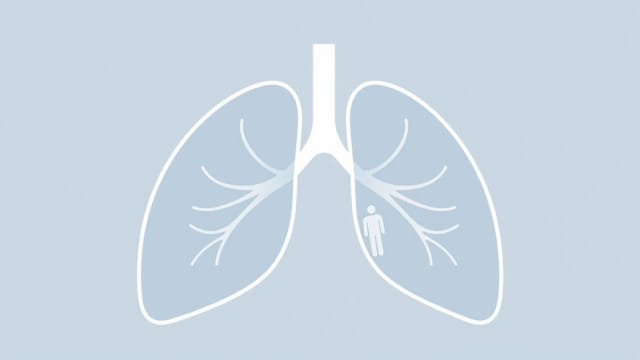
The pleura is a vital structure in the respiratory system, forming a double-layered membrane that surrounds each lung and lines the inside of the chest cavity. Though often overlooked in general discussions about lung anatomy, the pleura plays a critical role in enabling smooth breathing movements, reducing friction, and maintaining a vacuum that assists in lung expansion. Understanding the parts of the pleura is essential for grasping how the lungs function in both healthy and diseased states. Medical professionals, students, and anyone interested in human biology can benefit from learning the anatomical components of the pleura and how they work together to support respiration.
An Overview of the Pleura
What is the Pleura?
The pleura is a continuous serous membrane that folds over itself to form two distinct layers. These layers are separated by a small amount of lubricating fluid and are crucial in protecting and cushioning the lungs during breathing. Each lung is enveloped in its own pleural sac, and the two sacs are entirely separate from each other.
Main Functions of the Pleura
- Reducing friction between the lungs and the chest wall during breathing.
- Creating a pressure gradient that assists lung inflation.
- Protecting the lungs from infections and physical trauma.
- Compartmentalizing the thoracic cavity to prevent cross-contamination in case of disease.
Primary Parts of the Pleura
The pleura is made up of two main layers:
- Parietal pleura
- Visceral pleura
Parietal Pleura
The parietal pleura is the outer layer of the pleural membrane. It lines the inside of the thoracic cavity, including the chest wall, diaphragm, and mediastinum. It is firmly attached to the structures it covers and does not come into direct contact with the lungs themselves.
This layer can be further divided into specific regions based on the structures it covers:
- Costal pleura: Lines the inner surface of the ribs and intercostal muscles.
- Diaphragmatic pleura: Covers the upper surface of the diaphragm.
- Mediastinal pleura: Lines the lateral aspect of the mediastinum, the central compartment of the thoracic cavity.
- Cervical pleura (pleural cupula): Extends into the root of the neck, covering the apex of the lung.
Each of these regions plays a role in forming a protective barrier and facilitating movement within the chest cavity. The parietal pleura receives its nerve supply from the intercostal and phrenic nerves, making it highly sensitive to pain.
Visceral Pleura
The visceral pleura is the inner layer that directly covers the lungs, including the lobes and fissures. It is intimately attached to the surface of the lung and cannot be separated without damaging lung tissue. This layer extends into the spaces between the lobes of the lungs and plays a role in lung structure and function.
Unlike the parietal pleura, the visceral pleura lacks pain-sensitive nerve fibers. It receives autonomic innervation, which is less responsive to physical pain but may respond to other stimuli such as stretch or inflammation.
The Pleural Cavity
Between the parietal and visceral pleura lies a potential space known as the pleural cavity. This cavity contains a small amount of pleural fluid, which acts as a lubricant to reduce friction between the two layers during respiration. The negative pressure in this cavity helps maintain lung expansion.
Pleural Fluid
Pleural fluid is secreted by both pleural layers and serves several important functions:
- Reduces friction during breathing movements.
- Provides surface tension that helps the lungs adhere to the chest wall.
- Acts as a cushion to absorb mechanical shocks.
Abnormal accumulation of fluid in this space is referred to as a pleural effusion and may be caused by conditions such as infection, heart failure, or malignancy.
Recesses and Reflections of the Pleura
The pleura forms several reflections and recesses as it folds and turns to cover different surfaces. These anatomical features allow extra space for lung expansion during deep inspiration.
Pleural Reflections
Pleural reflections are points where the pleura changes direction or folds back on itself. These include:
- Sternal reflection: Where the costal pleura becomes mediastinal pleura near the sternum.
- Costovertebral reflection: Found near the back, where costal pleura meets vertebral structures.
- Costodiaphragmatic reflection: Where the costal pleura joins the diaphragmatic pleura.
Pleural Recesses
Pleural recesses are spaces formed by pleural reflections where the lungs do not fully extend. These recesses can temporarily accommodate lung expansion during deep breaths.
- Costodiaphragmatic recess: Located between the diaphragm and rib cage; the most clinically significant recess, often the site for fluid accumulation.
- Costomediastinal recess: Found near the anterior border of the lungs; more prominent on the left side due to the position of the heart.
Blood and Nerve Supply
The blood and nerve supply to the pleura varies between its two layers:
- Parietal pleura: Supplied by systemic circulation (intercostal and internal thoracic arteries) and innervated by somatic nerves such as the intercostal and phrenic nerves. This makes it sensitive to pain, pressure, and temperature.
- Visceral pleura: Supplied by bronchial arteries and innervated by autonomic fibers from the pulmonary plexus. It is not sensitive to pain.
Clinical Significance of the Pleura
Pleuritis or Pleurisy
Pleuritis refers to inflammation of the pleura, often causing sharp chest pain that worsens with breathing. It is typically associated with viral infections, pneumonia, or autoimmune diseases.
Pneumothorax
A pneumothorax occurs when air enters the pleural cavity, collapsing the lung. This can result from trauma, lung disease, or spontaneously. Treatment may involve removing the air to allow the lung to re-expand.
Pleural Effusion
This condition involves the accumulation of excess fluid in the pleural cavity. It may cause symptoms such as chest tightness, difficulty breathing, or reduced breath sounds. Diagnostic procedures such as thoracentesis are used to remove and analyze the fluid.
Mesothelioma
Mesothelioma is a rare but aggressive cancer affecting the pleura, often linked to asbestos exposure. It usually develops in the parietal pleura and spreads to surrounding structures. Early detection is crucial for management.
The pleura is a complex and essential component of the respiratory system. Comprised of the parietal and visceral layers, along with associated recesses, reflections, and the pleural cavity, it allows the lungs to expand and contract with minimal friction. Its roles in lubrication, protection, and pressure maintenance make it indispensable for proper breathing. Knowledge of the parts of the pleura helps in understanding various medical conditions that affect the lungs and chest, making it a foundational topic in both anatomy and clinical medicine.