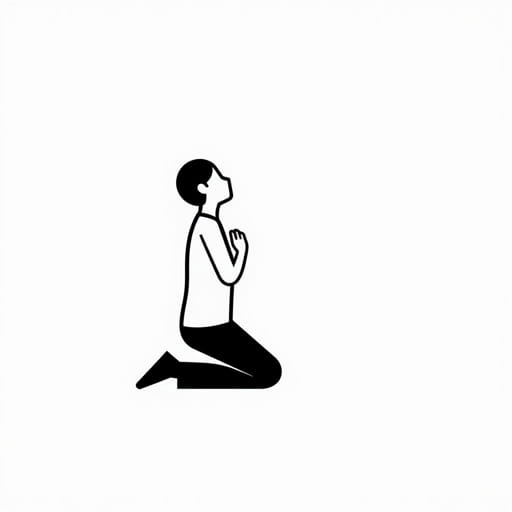
The word ‘knelt’ is commonly encountered in English literature, speeches, religious settings, and historical texts. As the past tense and past participle of the verb ‘kneel,’ it carries emotional, cultural, and symbolic meaning. Whether in poetry, prayer, or storytelling, ‘knelt’ often represents humility, submission, reverence, or a plea for mercy. Its usage extends beyond just physical posture, capturing a range of human behaviors and emotions. Understanding the English meaning of ‘knelt’ helps readers and language learners gain deeper insight into expressions involving respect, tradition, and solemn moments.
Definition and Origin of ‘Knelt’
Basic Definition
‘Knelt’ is the simple past tense and past participle of the verb ‘kneel.’ It describes the action of lowering one’s body into a position where one or both knees touch the ground. This posture can serve many purposes, including religious, cultural, or ceremonial acts.
Etymology
The word originates from Old English cnÄowlian, meaning to bend the knee. Over time, ‘kneel’ evolved into a verb form, and ‘knelt’ became one of its accepted past forms. While kneeled is also grammatically correct, knelt is often preferred in formal, literary, or traditional contexts, especially in British English.
Usage in Different Contexts
Religious Settings
One of the most common uses of the word ‘knelt’ is in religious rituals. In many faiths, kneeling is a symbol of submission to a higher power.
- She knelt in silent prayer at the altar.
- The congregation knelt during the service.
Here, ‘knelt’ is used to convey reverence, humility, and devotion, highlighting its deep emotional significance.
Historical and Ceremonial Use
In royal or traditional ceremonies, kneeling is often a gesture of respect or loyalty. For example, in the context of knighthood, subjects would kneel before a monarch during the ceremonial dubbing.
- He knelt before the queen to be knighted.
Such usage shows how the act of kneeling and therefore the word ‘knelt’ is embedded in cultural customs and pageantry.
Emotional or Personal Significance
In literature and storytelling, knelt can also express vulnerability, pleading, or intimacy. Characters might kneel to beg forgiveness, show desperation, or confess love.
- He knelt at her feet, begging for one more chance.
- She knelt to embrace the child.
In these examples, ‘knelt’ becomes a powerful tool to reveal a character’s emotional state.
Grammatical Function
Verb Tense and Conjugation
‘Knelt’ is both the past simple and past participle of the verb ‘kneel.’
- Present: kneel
- Past: knelt
- Past participle: knelt
- Present participle/gerund: kneeling
It can be used with helping verbs to form perfect tenses, such as:
- She has knelt here many times before.
- They had knelt in silence before the memorial.
Irregular Verb Status
Knelt is considered an irregular verb form. Although kneeled is also technically correct and commonly used in American English, knelt remains more poetic and traditional.
Examples of ‘Knelt’ in Literature
The word ‘knelt’ frequently appears in classic and contemporary literature. It adds depth to scenes involving introspection, supplication, or reverence.
- He knelt on the battlefield, cradling his fallen friend.
- She knelt by the grave, her hands clasped in prayer.
These examples show how writers use ‘knelt’ to highlight solemnity or emotional intensity.
Idiomatic and Figurative Use
Metaphorical Applications
Sometimes, ‘knelt’ is used figuratively to describe obedience or surrender, even without physically kneeling. For example:
- He knelt to the pressure of public opinion.
This metaphor suggests submission or giving in, showing the richness of the word’s usage in expressing complex ideas.
Synonyms and Related Terms
Synonyms
- Kneeled (alternative past tense form)
- Bent down
- Dropped to one knee
- Prostrated (in a broader or more extreme sense)
Related Words
- Kneel base verb
- Kneeling present participle
- Genuflect to bend one knee, especially in religious or formal respect
These terms may vary slightly in usage or intensity but are useful in understanding the different shades of meaning associated with ‘knelt.’
Comparing ‘Knelt’ and ‘Kneeled’
American vs. British English
Both ‘knelt’ and ‘kneeled’ are accepted past tense forms of ‘kneel.’ However, ‘knelt’ is more commonly used in British English, while ‘kneeled’ may appear more frequently in American usage. Despite this variation, ‘knelt’ is often preferred for poetic, formal, or religious contexts across all varieties of English.
Stylistic Considerations
Writers often choose ‘knelt’ for its brevity and softer tone. ‘Kneeled’ might sound more literal or awkward in certain sentences, making ‘knelt’ the better choice for fiction and non-fiction that aims to evoke a traditional or solemn mood.
Common Expressions and Phrases with ‘Knelt’
- Knelt in prayer indicating devotion or supplication
- Knelt beside often suggests emotional closeness or tenderness
- Knelt down emphasizes the motion of kneeling
These phrases are widely used in storytelling, spiritual writing, and news reporting to convey a sense of action tied to emotional or symbolic gestures.
The English meaning of ‘knelt’ goes beyond the mere act of bending one’s knees. It captures a range of human behaviors tied to respect, tradition, emotion, and culture. Whether used in sacred texts, novels, history books, or personal narratives, ‘knelt’ stands as a powerful verb that reflects humility, reverence, or heartfelt emotion. Its role in language makes it not only grammatically important but also rich in symbolism. Understanding how to use ‘knelt’ correctly and effectively helps deepen one’s appreciation of English communication and expression.