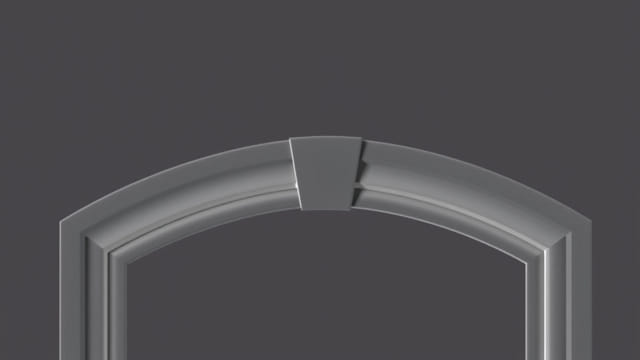
When installing architrave, choosing the right nail size is one of the most important steps in ensuring a clean, secure, and long-lasting finish. Architraves, which are moldings used to frame doors, windows, or transitions, require proper fastening to stay aligned and flush with the wall or frame. Many people make the mistake of using nails that are either too long or too short, leading to issues such as splitting, movement, or visible imperfections. Understanding the correct nail size for architrave installation is essential, whether you’re working on a renovation or a new build project.
What Is Architrave and Why Nail Size Matters
Architraves serve both decorative and practical purposes. They provide a neat border around openings and help hide joints between the wall and door or window frames. Because they are a finishing element, a clean installation is crucial to the overall appearance of the room. That’s where nail size comes into play. The wrong size can cause visible damage or fail to hold the trim securely, while the right nail will offer strength without sacrificing appearance.
Common Materials Used in Architrave
- Softwood (pine or spruce)
- Hardwood (oak, maple, or walnut)
- MDF (medium-density fiberboard)
- Primed or painted finishes
The material of the architrave will influence what kind of nails should be used, especially in terms of thickness and length. MDF, for example, is more prone to splitting if nailed improperly, while hardwood may require stronger, slightly thicker nails to hold securely.
Recommended Nail Size for Architrave
For most standard architrave installations, finishing nails or brad nails between 38mm (1.5 inches) and 50mm (2 inches) in length are ideal. The nail should be long enough to go through the architrave and into the wall or frame behind it, ideally with at least 25mm of penetration into the base material.
Best Nail Sizes by Application
- 38mm (1.5 inch): Ideal for thin or lightweight architrave in softwood or MDF, particularly when fixing to timber door frames or soft backing materials.
- 45mm (1.75 inch): Suitable for most medium-sized profiles and is a balanced choice for hardwood or thicker MDF architrave.
- 50mm (2 inch): Best for thicker hardwood architraves or when extra holding strength is required, especially if fixing into dense timber or masonry plugs.
It’s also important to consider nail thickness. Using 16- or 18-gauge brad nails is typically recommended. Thinner nails (such as 23-gauge pins) may not offer enough holding power and could allow movement over time.
Manual Nailing vs. Nail Guns
When fixing architrave, you can choose between manual nailing with a hammer or using a nail gun. Each has its benefits and limitations.
Manual Nailing
- Best for small jobs or touch-ups
- Greater control over placement
- More time-consuming and can cause damage if mishandled
Nail Guns (Brad Nailers)
- Ideal for quick and accurate installations
- Less risk of damaging the trim surface
- Recommended for professional or larger projects
When using a nail gun, match the nail size to your tool’s specifications and the material being used. A 16-gauge finish nailer is generally more suitable for heavy-duty architrave, while an 18-gauge brad nailer works well for most residential applications.
Spacing and Placement of Nails
Even with the right size nails, proper spacing is critical to ensure your architrave sits flush and stays secure over time. Nails should generally be spaced between 300mm and 400mm apart, with additional nails at the top and bottom ends and any joints or curves.
Tips for Nail Placement
- Always nail slightly off-center to avoid hitting the same grain or causing splits.
- Sink the nails just below the surface using a nail punch or countersink setting.
- Fill the nail holes with wood filler for a seamless finish before painting or staining.
Proper spacing helps reduce movement due to expansion, contraction, or environmental changes, particularly in wood or MDF trim.
What to Avoid When Nailing Architrave
Many DIYers make small mistakes that can affect the overall appearance and durability of the installation. Avoiding these common issues can make your project more professional-looking and long-lasting.
Common Mistakes
- Using nails that are too short: This can lead to the architrave pulling away from the wall or frame over time.
- Overdriving nails: Especially when using a nail gun, driving the nail too deep can weaken the hold and damage the surface.
- Inconsistent spacing: Random nail placement can result in uneven fastening and visible warping or gapping.
- Nailing near edges: Placing nails too close to the edge can split the trim, especially with hardwood or MDF.
Taking your time and double-checking nail placement is key. It’s worth the extra effort to avoid repair work later on.
Additional Tools and Materials to Use
Besides the nails and trim itself, a few supporting tools and supplies can help ensure a smooth installation.
Useful Tools for Architrave Installation
- Measuring tape and square for accurate cuts
- Miter saw or handsaw for angled joints
- Nail punch or countersink tool
- Wood filler or caulk for finishing holes
- Sandpaper for smoothing joints and filler
- Adhesive (optional) for added grip behind trim
Using a combination of nails and construction adhesive can offer extra strength, especially in older homes where walls may not be entirely level or plumb.
Finishing the Job
After nailing your architrave in place, it’s important to complete the finishing steps. Sand the filled holes smooth once the filler has dried, wipe away dust, and apply your final paint or stain. A clean finish helps hide any minor imperfections and ties the look together with surrounding elements such as baseboards and door frames.
Paint or Stain Considerations
- Use a primer on bare wood or MDF before painting
- Choose paint or stain that matches your interior style
- Apply multiple thin coats for a smooth surface
Proper finishing can make even a modest trim installation look like high-end carpentry work.
Choosing the right nail size for architrave is essential for a durable and attractive installation. For most jobs, nails between 38mm and 50mm in length paired with 16- or 18-gauge thickness will offer the strength and subtlety needed to fix trim without damage. Pay attention to material type, spacing, and nail placement, and use appropriate tools for the best results. With proper technique and the right hardware, installing architrave can be a straightforward and satisfying part of any home improvement project.